
As Cuba teeters on the brink of collapse amid a chronic fuel shortage, the communist state maintains a vice-like grip on the freedom of expression of its citizens, a new report reveals.
Nearly 90% of the 200 respondents in a survey stated that Cuban authorities used their digital publications or messages as grounds for summonses, arrests, and interrogations.
Prisoners Defenders International, an NGO based in Madrid which published the report in January, said state digital surveillance was widespread and required huge investment by the communist state.
Carlos Michael Morales Rodriguez, 48, a journalist, was convicted in 2021 of counter revolutionary acts for posting on Facebook “posts which criticized the leaders of our country”.
In the wake of national protests in 2021, a court in Santa Clara jailed Rodriguez for two years and 10 months, according to legal papers seen by Latin America Reports.
“I was in jail for two years and ten months for taking part in protests in July 20021. I got out in 2024 but under the threat that if I continued working in independent journalism I would be sent back to jail,” said Rodriguez, who works for media Martinoticias, CiberCuba and CubaNet Noticias.
“After leaving jail, I continued to work as an independent journalist and criticized the regime on social media for its treatment of political prisoners.”
Rodriguez, who also works for the BBC and Washington Post among other international media, was jailed for 45 days more, then allowed to serve the rest of his sentence under house arrest. In December 2025, he completed his sentence.
He applied for a certificate to say he had completed his sentence but this was denied by a judge in Santa Clara.
During his time in prison, he embarked on a hunger strike which caused heart problems. Rodriguez claims he has been denied medical treatment for his condition.
“During all this time, the political police were bullying me and threatening that if I continued to publish posts on social media which were critical of the regime, I would return to jail,” Rodriguez added.
Rodriguez’s case is typical of others detailed in the Prisoners Defenders International report.
Some 60% of those who took part in the survey said they had received legal summons, 61% were interrogated, and 55% were detained.
The analysis also reveals serious indications of unauthorized access to social media accounts and devices, the report said.
Only 5% of respondents, 10 out of 200, stated that they had not experienced any interference to online devices.
“This data confirms the existence of active, continuous, and widespread monitoring of online activity, with a reach that is widely extended among the population that use digital services,” the report added.
“The investment required for such coverage involves a huge amount of the regime’s human and economic resources devoted to the digital surveillance of its population.”
In the wake of the 2021 protests, Cuba passed Decree 35 to restrict any online messages which challenged the government.
The new law was aimed at content or messages that Havana deemed to be false news, offensive or that may incite acts “that upset public order”. Under it, anyone who tries to “subvert the constitutional order” will be considered a cyberterrorist.
The Cuban communist government is struggling to survive as a U.S. blockade deepens the island’s energy crisis.
Two Mexican Navy ships laden with humanitarian aid docked in Cuba on Thursday, two weeks after U.S. President Donald Trump threatened tariffs against any countries selling or providing oil to Cuba, Associated Press news agency reported.
Read more: Tariffs, sovereignty, and Cuba: Mexico’s diplomatic balancing act with Washington
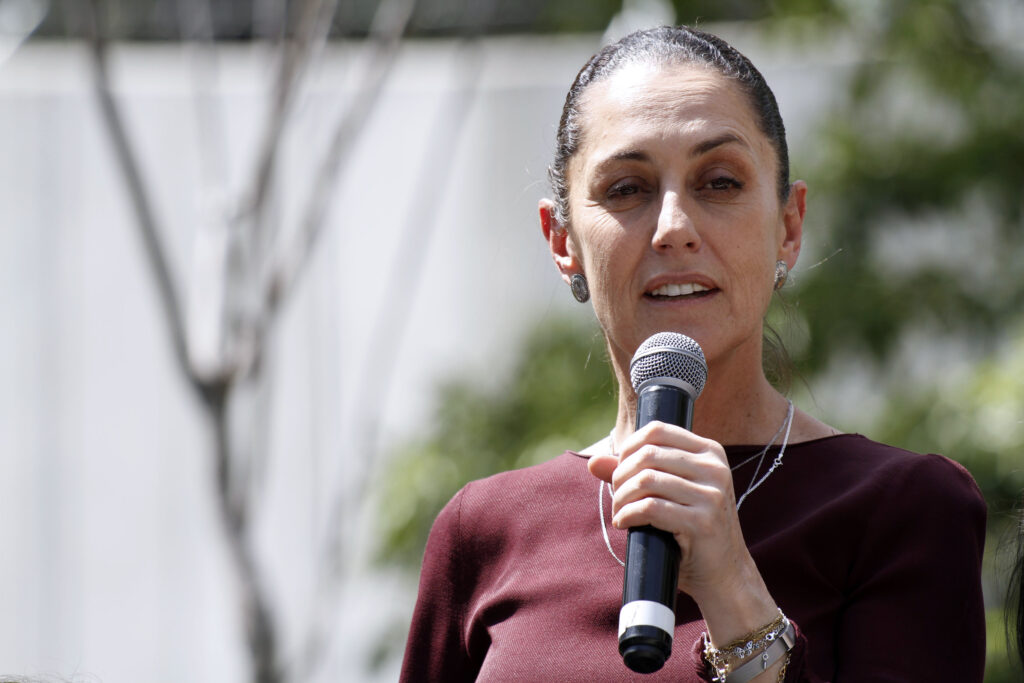
Mexican President Claudia Sheinbaum said that while diplomatic negotiations were underway to resume oil supplies, humanitarian aid would be supplied.
Mexico’s state-owned oil company Pemex suspended crude oil shipments to Cuba in January.
Cuban President Miguel Díaz-Canel has called Trump’s threats an “energy blockade”.
Aviation authorities in the Caribbean island warned this week that there is not enough fuel for plans to refuel in Cuba.
Read more: First airlines begin cancelling flights to Cuba following jet fuel shortage announcement
On Monday, Air Canada said it was suspending flights to the island.
The fuel shortage affects transportation, hospitals, schools, tourism and food production, Cuban authorities said.
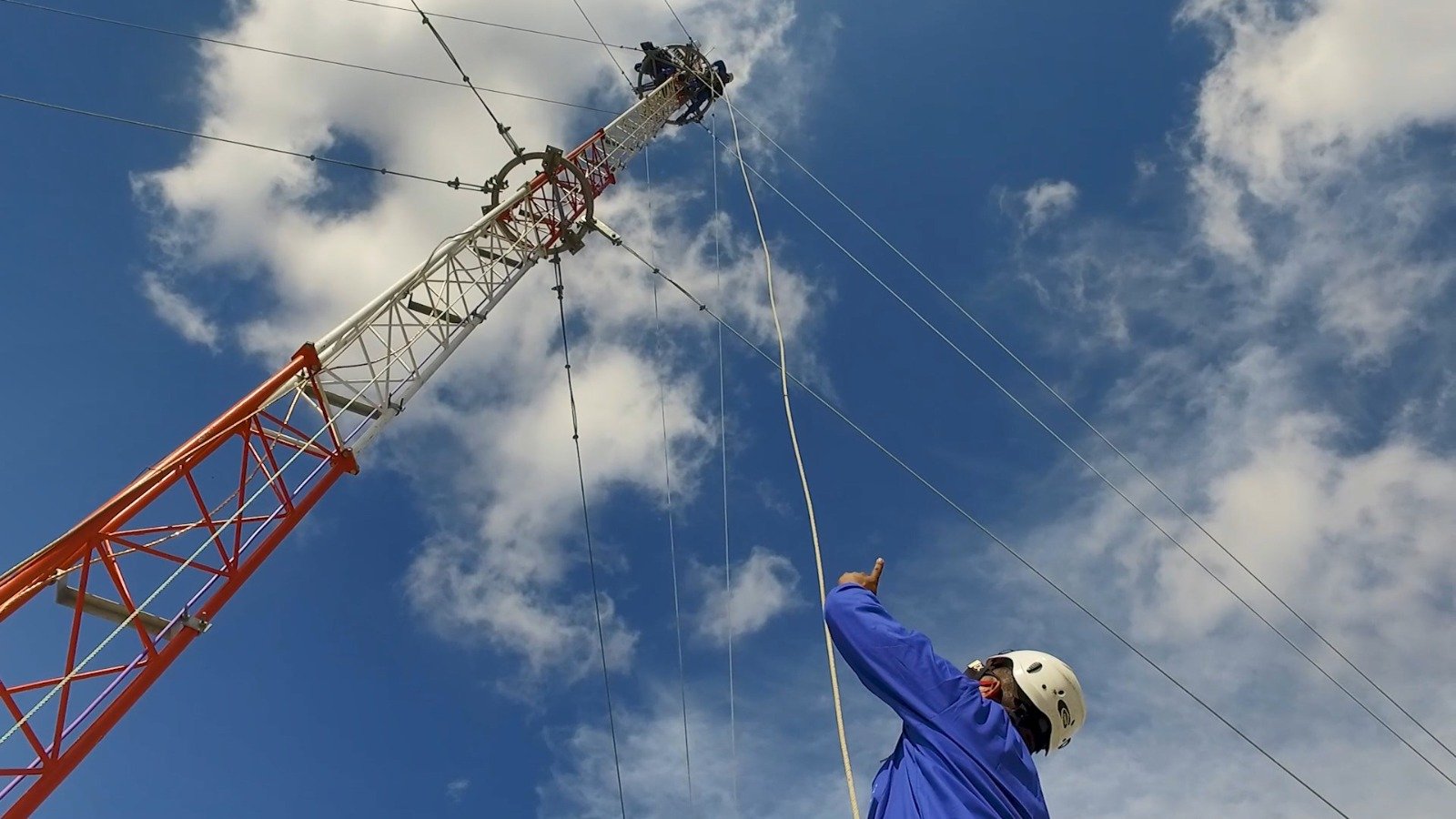
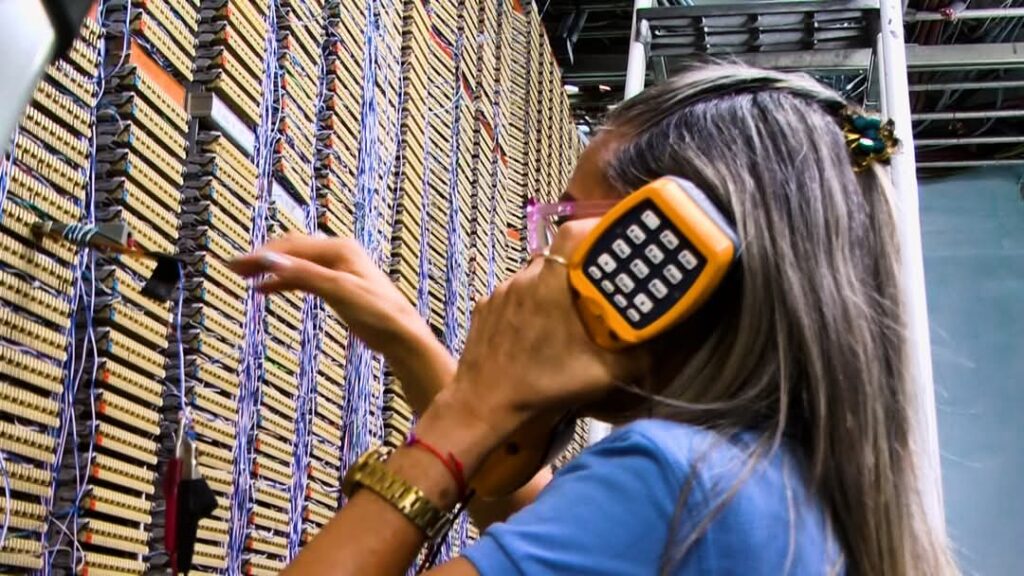
Featured image: Workers for Cuba’s state-run telecoms company ETECSA.
Image credit: ETECSA via X.