
Colombia President Abelardo de la Espriella’s administration is expected to formally propose a new “anti-terrorism” law next week that, if enacted, would have sweeping implications for the country’s fight against organized crime.
A draft of the proposal, shared widely by Colombian media outlets on Wednesday, would establish a list of terrorist organizations and establish a new government position, the “High Commissioner for the Fight Against Terrorism,” to combat them.
If captured, leaders of terrorist organizations would also be subject to a special prison regime that would limit their contact with the outside world, except for purposes of their legal defense, and subject them to limited visitation rights.
The anti-terrorism measure is coupled with a proposed “law of submission,” which would offer the incentive of an up to 60% reduction in the sentence of a person who collaborates with authorities to help bring down a criminal organization.
If passed, the bill would embolden de la Espriella in the “iron fist” campaign against crime that the far-right leader pledged to carry out in his victorious campaign for president earlier this year.
“It does give them broader powers to use force against groups placed on this list and to investigate and prosecute these groups,” explained Glaeldys González, an analyst for the Brussels-based International Crisis Group.
The proposal quickly proved divisive, with opposition leader Iván Cepeda calling the measure a step toward an “openly dictatorial regime” just hours after its release.
The measure — which was expected to be introduced to the Criminal Policy Council on Thursday, but has reportedly been delayed until next week — also looks to limit the financial capacity of organizations and people designated as terrorists, calling for the freezing of their funds and assets and cutting them off from government funds.
The proposal’s introduction comes shortly after Colombia and 13 other Latin American countries announced an agreement with the United States to designate 25 transnational criminal groups as terrorist organizations in September.
Under President Donald Trump, the United States has increasingly categorized groups like Tren de Aragua as terrorist organizations — a designation that, among other things, provides a legal pretext to take swift military action against them.
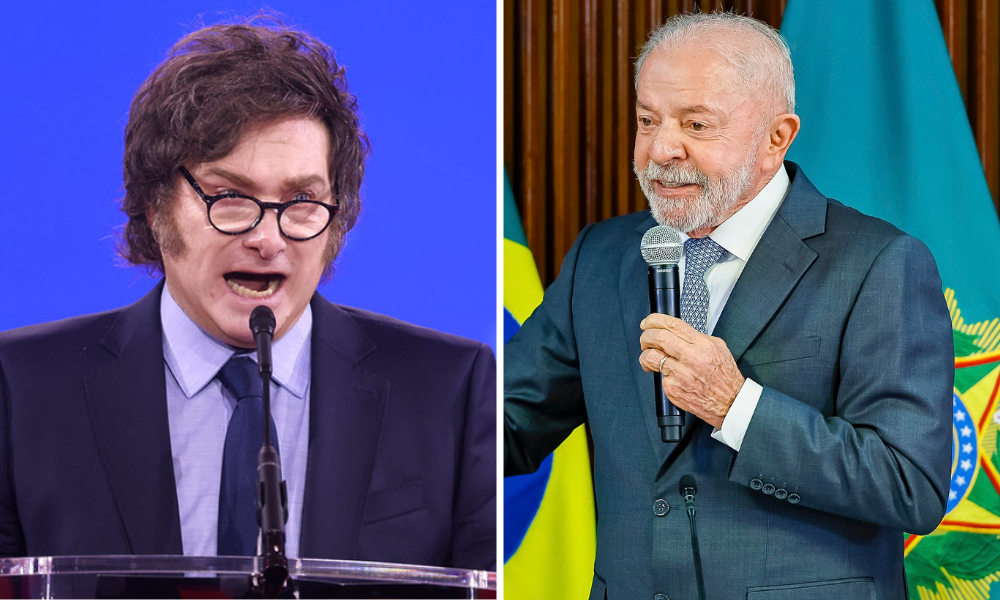
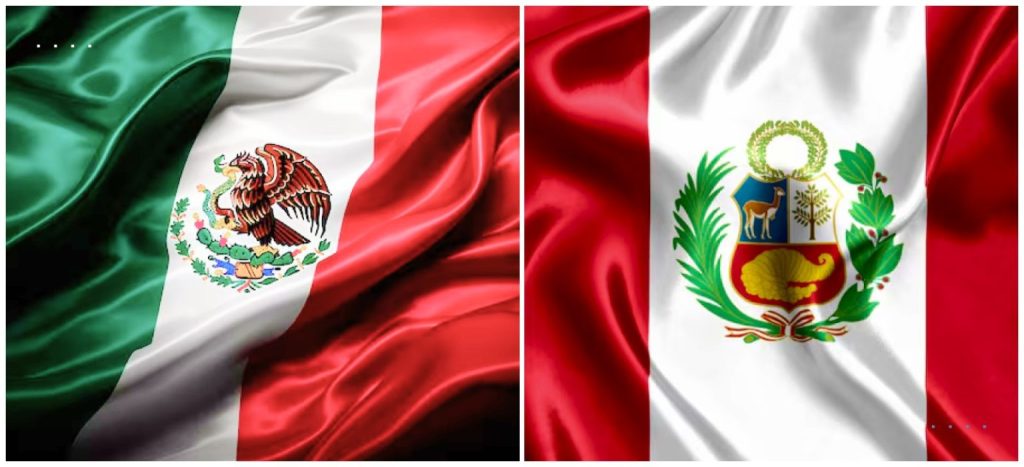
In recent years, Colombia and nearby countries like Ecuador, Peru and Chile, have watched leftist leaders fall to right-wing opponents promising to rein in organized crime. The rising right wing across the continent has quickly allied itself with Trump and joined the Shield of Americas, the Trump-led security alliance that looks to take a hard-handed and coordinated approach to criminal groups.
“They are governments of the right that were able to win because those who voted for them were disenchanted with the results of the left-wing government of the Americas,” explained Guadalupe Correa-Cabrera, a George Mason University professor and the co-director of the Corruption, Networks, and Transnational Crime Research Center.
As a candidate, Abelardo promised to discard Colombia’s yearslong peace process and launch an all-out campaign against organized crime. Just this week, de la Espriella announced the creation of a new military and police task force that will target National Liberation Army, or ELN, rebels and try to protect a pivotal fuel pipeline that runs along the Caribbean coast.
The new anti-terrorism statute would not only establish a list of terrorist organizations, it would create or increase penalties for crimes it deems related to terrorism, such as illegal mining and the use of weaponized drones.
The country has seen a major increase in the use of drones by criminals not only to attack infrastructure, González said, but also surveillance of communities and coca crops that are cultivated to produce cocaine.
De la Espriella’s detractors have criticized the bill as vague in definition but broad in the scope of powers it hands Colombia’s new president, which could be used to curtail due process and individual liberties. The bill defines terrorism as activity that creates “fear, panic, and anxiety, generating risks, threats, or the use of violence.”
Cepeda warned that it “opens up a wide spectrum for arbitrariness and dictatorial decisions.”
The proposal, which could be amended even before it is introduced next week, is far from a done deal.
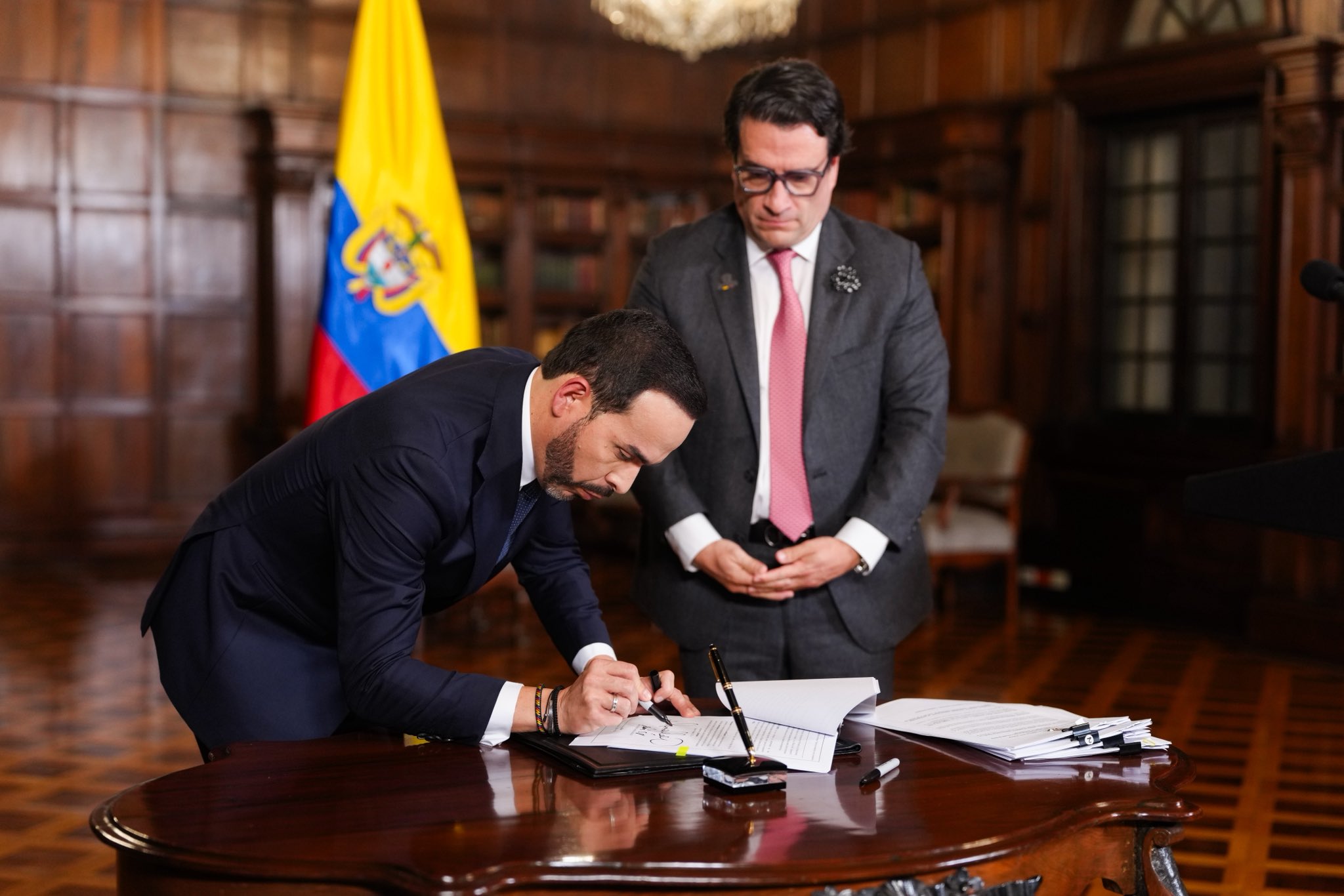
Featured image description: Abelardo de la Espriella signed five extradition orders on August 26.
Featured image credit: @ABDELAESPRIELLA via X