
Medellín, Colombia – The government of Nicaragua is illegally diverting public funds to finance the repression of exiles abroad, according to a United Nations Human Rights Office report published this Tuesday.
Through analysis of documents and interviews dating back to 2018, the report concludes that the government’s repression could constitute crimes against humanity.
“Political persecution is financed by the State, executed through its institutions, and extended across borders to ensure that no one – absolutely no one – stands in the way of the regime,” said Chair of the Group of Human Rights Experts, Jan-Michael Simon.
The report details how public funds destined for welfare programmes have been misused to finance repression through pro-government armed groups, digital surveillance, and harassment to neutralise critics across the diaspora.
The network of repression incorporates members of the police, army, migration officers and ambassadors who surveil exiles and their families abroad.
This transnational repression has fostered a “climate of fear and suspicion” leading to “widespread self-censorship and social isolation” amongst exiled Nicaraguans. Last June, the former Sandinista turned government critic Roberto Samcam was assassinated at his home in Costa Rica.
Daniel Ortega and Rosario Murillo, married co-presidents of the Central American nation deemed a dictatorship by international organizations and governments, increased their repressive tactics following anti-government protests in 2018 which left over 300 people dead.
Since the beginning of their premiership the country has witnessed democratic backsliding and a concentration of power. The ruling Sandinista Liberation Front (FSLN) has effectively gained one-party state control. Ahead of the 2021 elections, six presidential candidates were imprisoned on “treason” charges to ensure Ortega’s reelection.
The report details that since 2023, 452 Nicaraguans have had their nationality removed while thousands more exiles have had requests to renew their identity documents refused. Those left effectively stateless include politicians, human rights defenders, and members of the Catholic church.
According to the UN, the state’s repression has also targeted women and LGBTIQ+ people through sexualized violence and the destruction of feminist groups.
The report emphasizes that due to the Nicaraguan government’s refusal to cooperate with the UN, international accountability including existing sanctions from the United Kingdom, United States, and European Union remain critical.
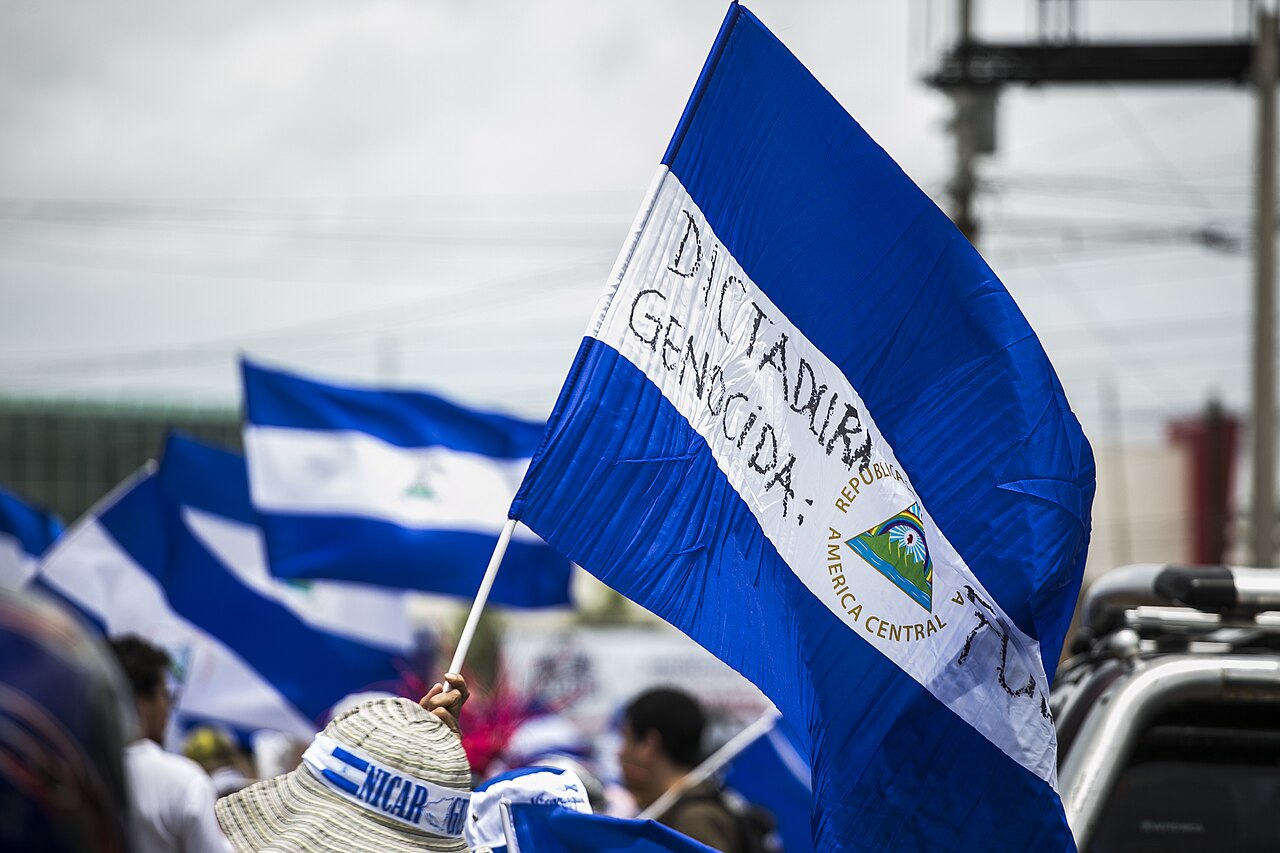
Featured image: 2018 protests in Masaya, Nicaragua.