
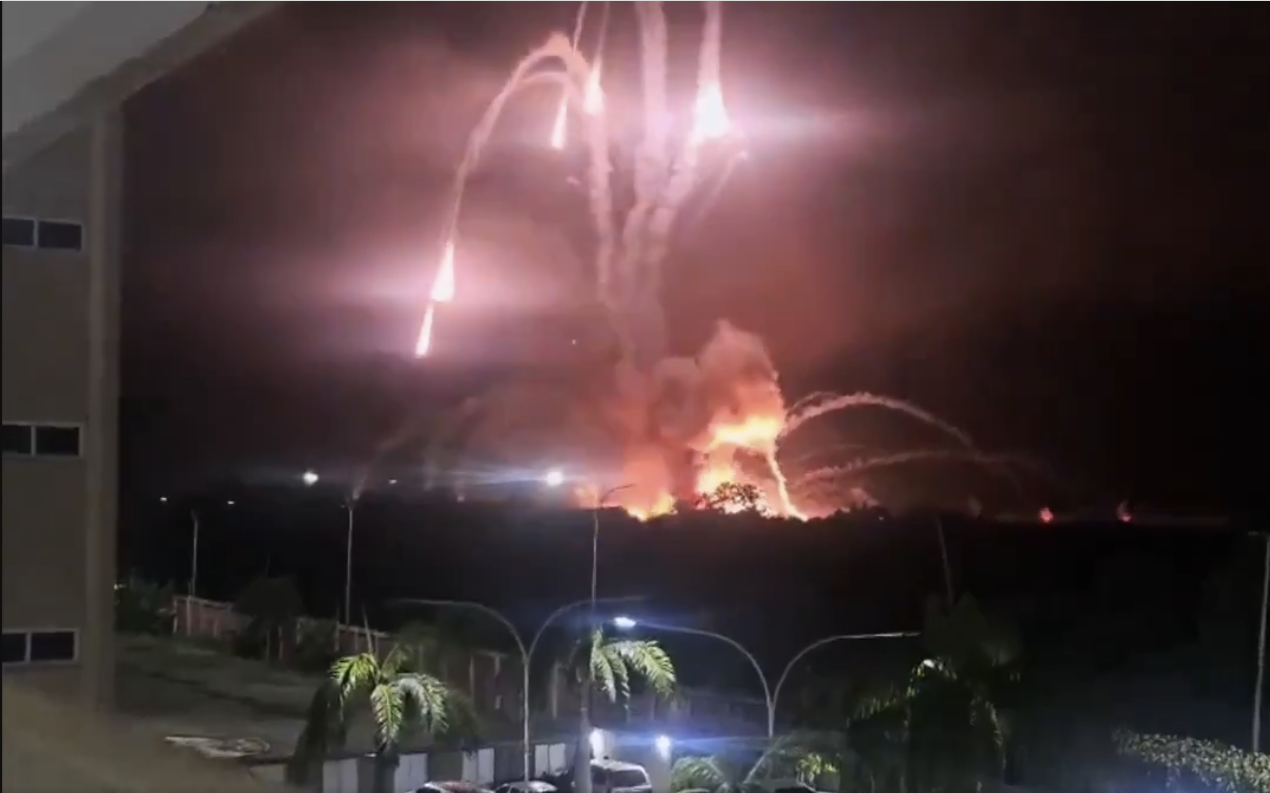
Caracas, Venezuela — Although more than 20 days have passed since the U.S. attacked Venezuela and captured former President Nicolás Maduro, the atmosphere in the capital, Caracas, hasn’t returned to normal.
The pace of life in the city remains slow and its inhabitants are fearful of a potential repeat attack. What’s more, the January 3 military operation — which removed Maduro but positioned his Vice President Delcy Rodriguez as interim president — has left Venezuelans with an overwhelming sense of uncertainty about the future of their country.
Brayner López, president of the Capital District College of Psychologists, told Latin America Reports that there has been an increase in psychological consultations in Caracas and that the majority of diagnoses are for anxiety.

He explained that the population was overstimulated by this unprecedented situation in the nation. “People, whether because of the news or because they were directly exposed to the event, will have their anxiety exacerbated and, of course, the stress linked to what may be the most important thing, which is self-preservation,” he said.
The psychologist added that in many of his consultations, patients repeated common phrases such as: “I thought I was going to die,” or “I thought this was the end.”
Venezuela’s government said 100 people died in the attack, among them security forces and members of Maduro’s security detail. Homes of civilians near target areas were also bombed during the attack.
In addition to anxiety, some residents have experienced panic attacks and night terrors.
“There are many people who have been directly affected, but there are also family members or close friends who have been affected in one way or another by the worry that something has happened to their loved one, or that something could happen to them because (the fear) is still latent,” he said.
Some Caracas residents, such as 52-year-old lawyer Elizabeth Pereira, told Latin American Reports about some of the mental consequences of the attack.
“I had anxiety. I had anxiety and I still have it. First, because of the uncertainty,” she said while in Altamira Square, one of the most emblematic plazas in Caracas.
She said that her biggest worry at the moment is not understanding the political direction Venezuela will take. Interim President Rodríguez and U.S. President Donald Trump have struck a shaky alliance with both leaders establishing oil, economic and infrastructure agreements that promise to revive the country.
“I am anxious about the future: what will happen tomorrow? Because this economy is eating us alive, it is killing us, and we need them to find a solution,” she added.
The Caracas native said she feels mentally exhausted because she wants to see change in the short term, as the country has been in a deep crisis for at least a decade. “I know it takes time, it takes a process, but when you’re so psychologically exhausted, you want to see change now.”
In order for residents to cope, López, the psychologist, recommends regulating the amount of time a person spends watching or transmitting information that in one way or another could cause anxiety.
“Spend that time, especially now, on things that are aimed at generating calm, balance, that are more productive for the person’s life, because life goes on and you have to adapt,” he recommended.
Finally, López said that, in more serious situations, it is advisable to seek psychological counselling to find support from a specialist and overcome the problem you may be facing.
Featured image: Screenshot of video circulated on social media of US bombing of Venezuela on January 3, 2026.