

For decades, conversations about entrepreneurship in Latin America have often centered on the same challenges: access to capital, economic volatility, regulatory complexity, and limited pathways to scale globally.
Yet the rise of artificial intelligence is beginning to change the equation. Around the world, a new generation of founders is emerging that looks very different from the venture-backed startup archetype of the last decade.
Rather than raising large amounts of capital and building large teams, many are creating globally competitive businesses with small teams, AI-driven operations, and an international mindset from day one.
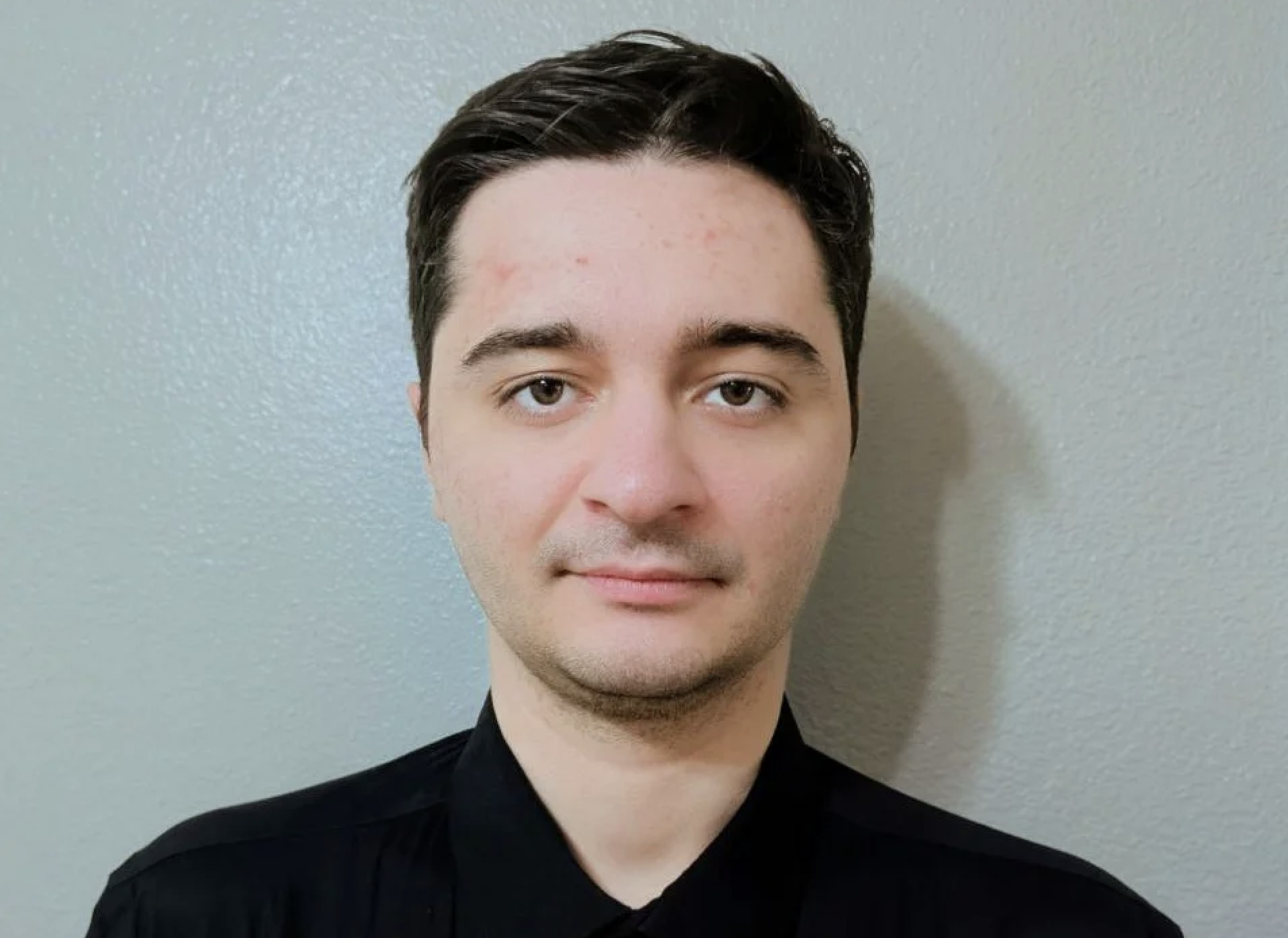
One founder who embodies this shift is Ibrahim Hasanov, founder and CEO of MyUser. Starting by building hardware since he was six and coding since eleven, Hasanov built the company into an AI-powered sales platform designed to automate customer acquisition and outreach for businesses worldwide. The company has become known for leveraging autonomous AI agents to handle prospecting, personalization, follow-up communication, and meeting scheduling at scale.
More importantly, Hasanov, based in the San Francisco Bay Area, represents a broader trend: founders using AI not simply as a feature, but as the foundation of their businesses.
The question for Latin America is simple: when will the region produce its own Ibrahim Hasanov?
The ingredients are already there. Latin America today possesses many of the conditions that helped previous technology hubs emerge. The region has a young population and increasingly sophisticated startup ecosystems, and a generation of entrepreneurs that is more globally connected than any before it.

Cities such as São Paulo, Mexico City, Bogotá, Medellín, and Santiago have become innovation hubs that regularly produce successful technology companies. Venture capital investment, while cyclical, has also created a generation of founders with experience building and scaling startups.
What has changed in the AI era is that entrepreneurs no longer need the same resources that previous generations required.
Historically, building a global software company often meant assembling large engineering teams, hiring extensive sales organizations, and raising significant funding to support growth. Today, AI is dramatically reducing those barriers.
A founder can now build products faster, automate customer support, create marketing content, conduct research, and even generate sales leads using AI-powered systems. Companies like MyUser demonstrate how a startup organization can deliver capabilities that once required entire departments.

This shift may benefit Latin America more than almost any other region. Many entrepreneurs across the region have traditionally been forced to build lean businesses out of necessity. Resource constraints encouraged creativity, efficiency, and resilience. Those characteristics are becoming strategic advantages in an AI-driven economy where capital matters less than execution speed.
The next breakthrough founder from Latin America may not come from a traditional technology background. Like Hasanov, who began building projects at a young age and focused relentlessly on solving real-world problems, the region’s future AI leaders may emerge from unexpected places.
They may be teenagers learning from open-source AI models. They may be university students building global products from dorm rooms. They may be small business owners automating industries that have remained inefficient for decades.
The founder who builds Latin America’s next globally recognized AI company may already be writing code in Bogotá, testing products in São Paulo, studying at a university in Mexico City, or launching a startup from Medellín. When that breakthrough happens, it will not be because the region finally caught up to Silicon Valley.
It will be because AI has fundamentally changed who gets to participate in building the future.