

La Peñita, Venezuela — Three months on since twin earthquakes rocked northern Venezuela, some rural communities are still waiting for government help.
On June 24, the northern state of La Guaira was leveled by 7.2 and 7.5 magnitude earthquakes that struck seconds apart. Experts estimated that as many as 80% of buildings in the state were damaged or destroyed, many along the coastal suburbs of Catia la Mar, Maiquetía and the state capital, La Guaira.
In urban areas it took days for the authorities to begin rescue efforts, with neighbors and family members banning together to rescue loved ones.
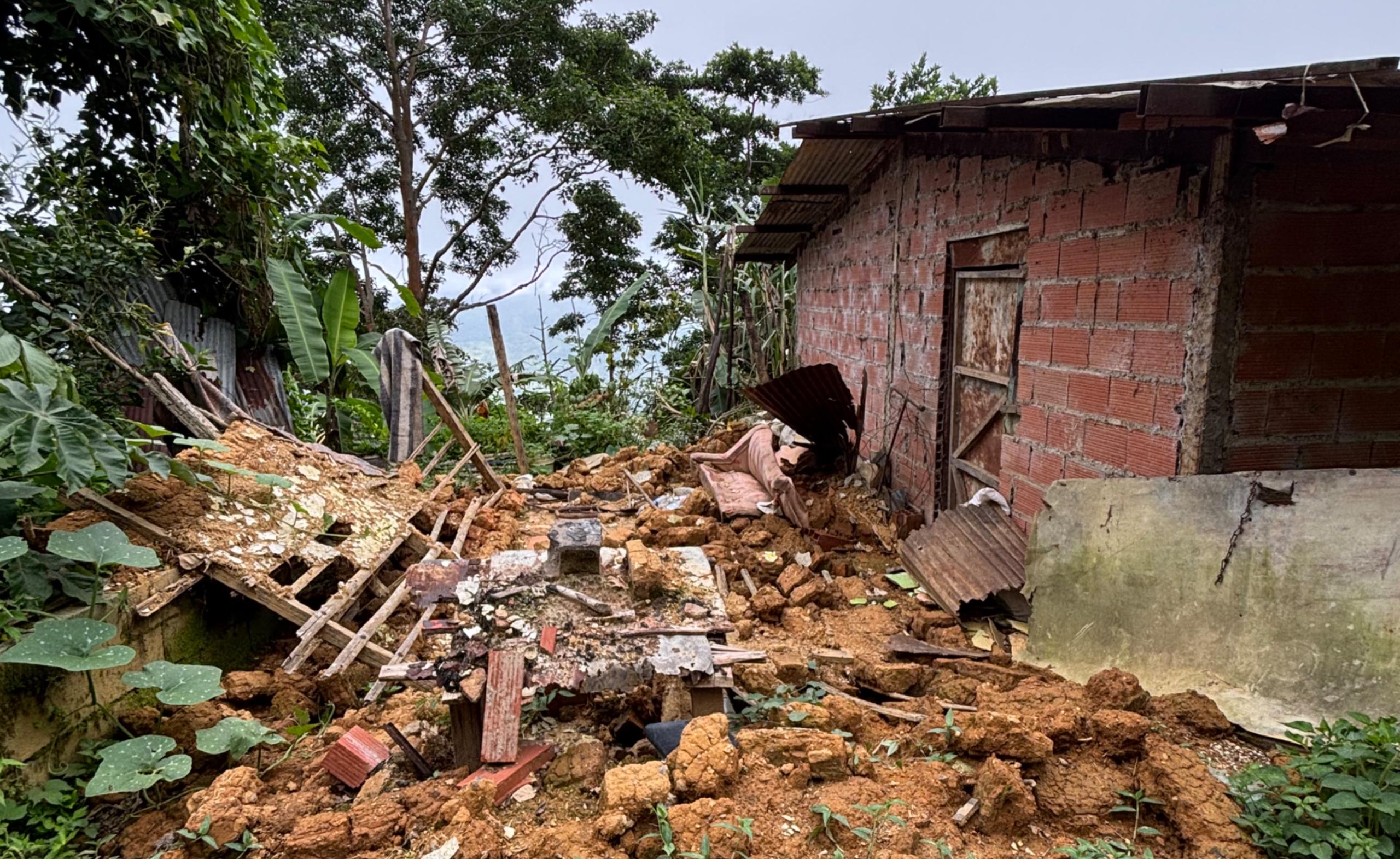
But up in the mountains of the Carayaca parish in La Guaira state, residents in the small village of La Peñita — about a two hour’s drive from the capital Caracas — say no government officials have come to assess the damage, despite dozens of homes collapsing.
“You are the first ones to come here to visit,” Jacky Guerrero, a local farmer, told Latin America Reports on a visit in September to the town. “Just imagine—yes, you’re the first ones to come in. We need more on-the-ground action, less bureaucracy.”
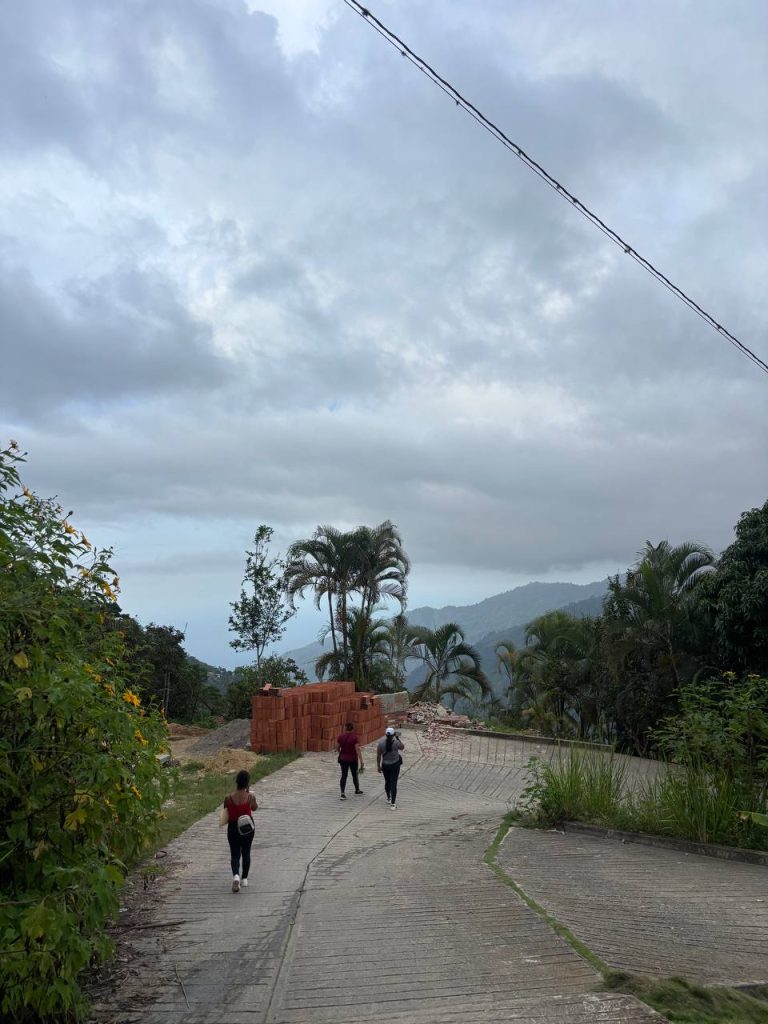
Life in La Peñita has never been easy. Rugged terrain and lack of transportation options make it difficult to access. Small mud-and-wattle homes with asbestos roofs dot the green landscape; electricity blackouts are frequent and gas for stoves is delivered once a month.
Many in the community said they felt neglected by the government, even before the quakes.
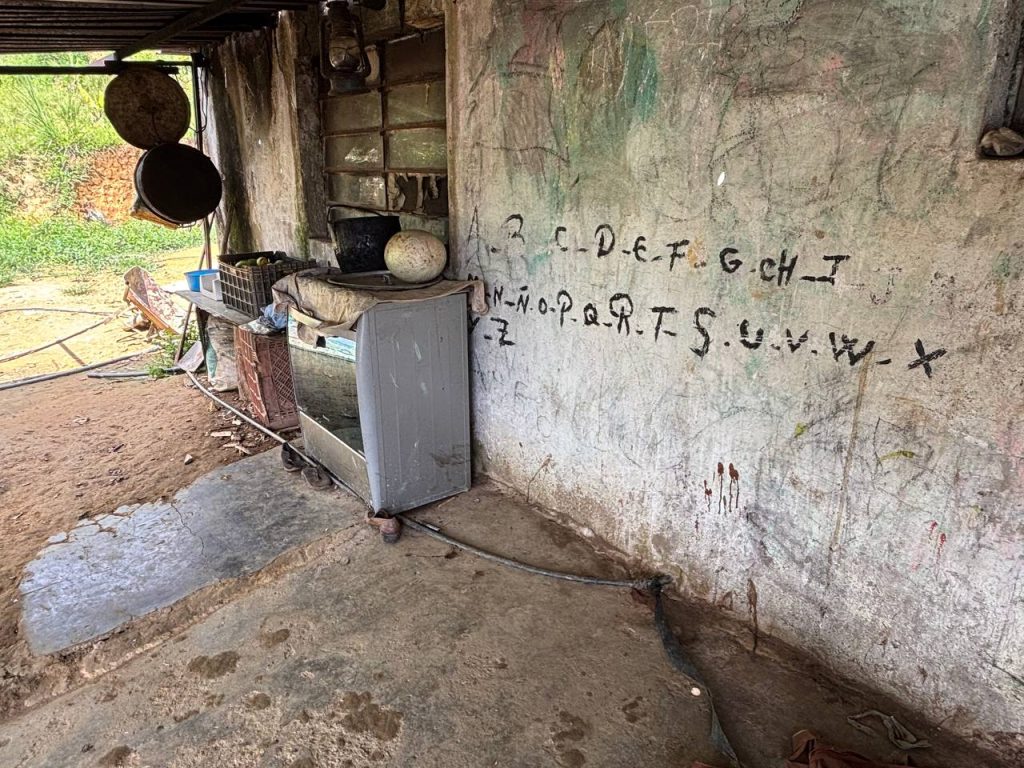
Rosa Rodríguez lives with eight other adults and seven children in her two bedroom home in La Peñita.
Cracks caused by the earthquake streak across her house. The worst damage, however, was to her roof, which still leaks every time it rains.
“I’d like them to give me some corrugated metal sheeting for my house… because our beds get wet, everything gets wet,” Rodríguez said.
Guerrero’s home, too, sustained serious cracks. Although she understands the risks of living inside the structure, she said she doesn’t see herself going to a disaster shelter, as living conditions inside the camps can also be extremely difficult.
In addition to living conditions, the earthquake’s impact on the local economy is also evident.
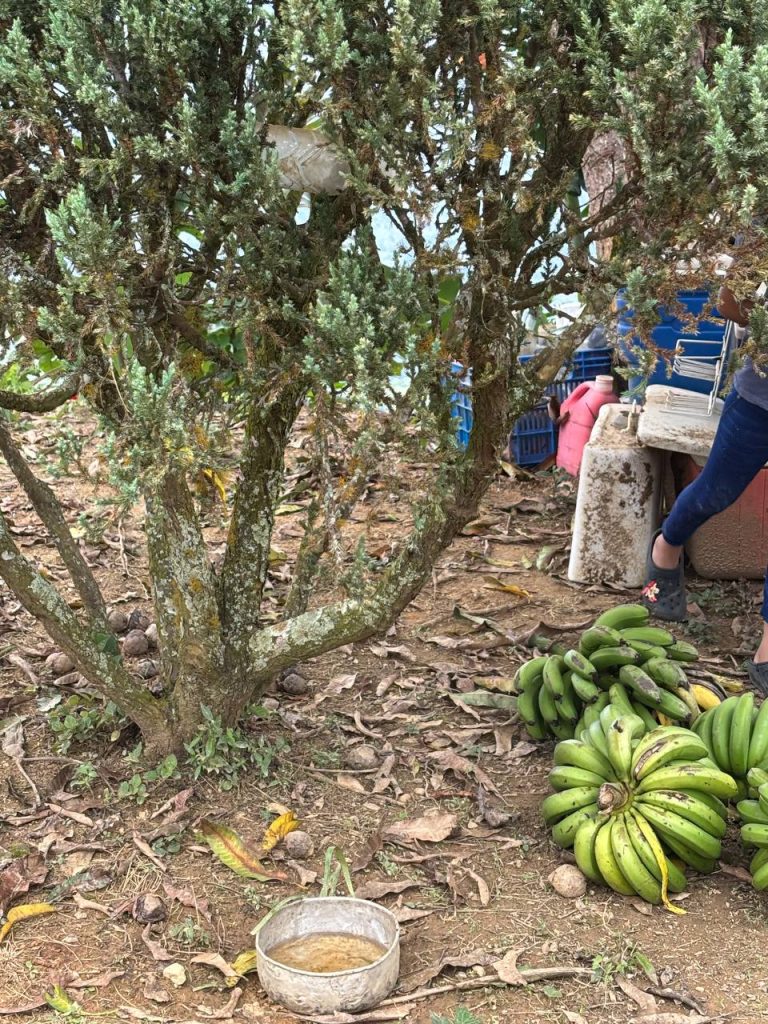
Guerrero said that banana crop sales to wholesalers — who pay about US $2.50 for a 30-kilo basket of the fruit — are down and there is a lot of competition for sales.
“We work hard, but the income we get from what we grow and sell isn’t enough to make ends meet,” Guerrero lamented. “If you have a car and go to Caracas to sell at a good price, you could cover your expenses and needs. Here, you work hard and sell, but the one who makes a little more is the reseller.”
Some families have been forced to sell their valuables, such as propane tanks, to cover food expenses, according to Guerrero.
She said government officials have not visited La Peñita and civil society organizations have been the only groups to arrive with aid.
“There hasn’t been a census or any outreach,” Mario, Rodríguez’s husband, said.
The experience has left some La Peñita residents bitter toward politicians.
“They come when there are elections, but I’m not going anywhere. What’s the point? So they can come and make promises they never keep,” said Guerrero.
For now, the little help La Peñita has received from civil society organizations, including medical assistance and supplies, isn’t enough to meet demand. The town’s one clinic, while structurally sound, lacks the resources to treat the town’s residents.
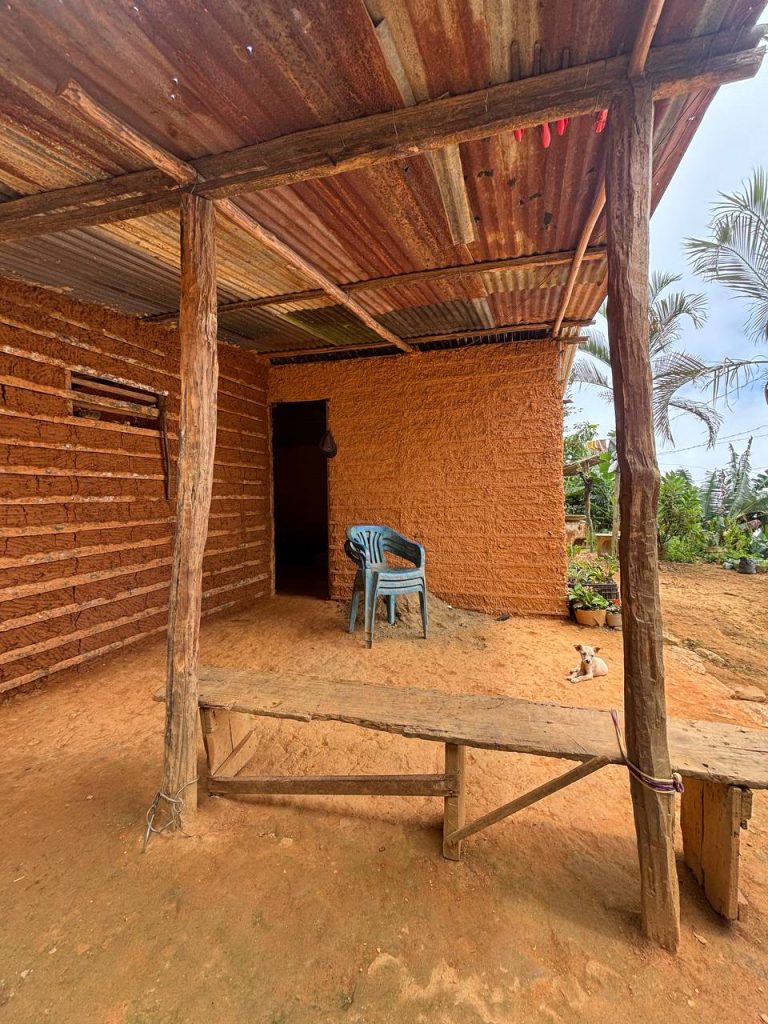
Featured image: A house in La Peñita destroyed in the June 24, 2026 earthquakes.
Image credit: Julio Blanca for Latin America Reports