
Twenty-three people were injured in the Colombian city of Villavicencio on Monday night after a car bomb exploded in front of the regional government headquarters of the central Meta department. It was one of several attacks in a 24-hour span as Colombia marked the 10th anniversary of peace accords with its largest rebel group.
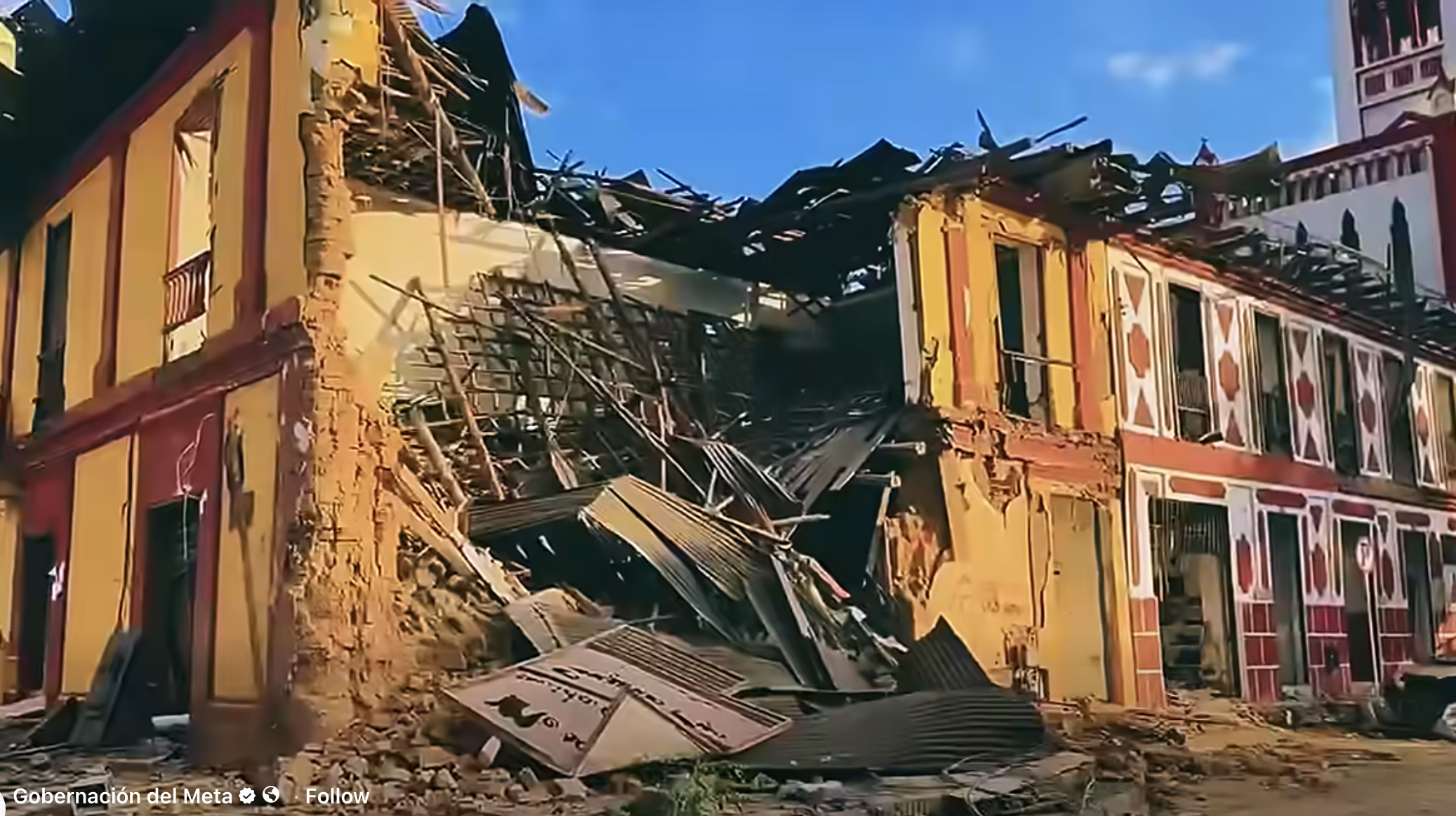
The attack occurred around 9:00 p.m. on Monday, November 23, and caused significant damage to nearby buildings, including several commercial properties.
Villavicencio’s mayor confirmed the bombing through a video on social media showing that the regional government headquarters and a Cathedral were severely damaged.
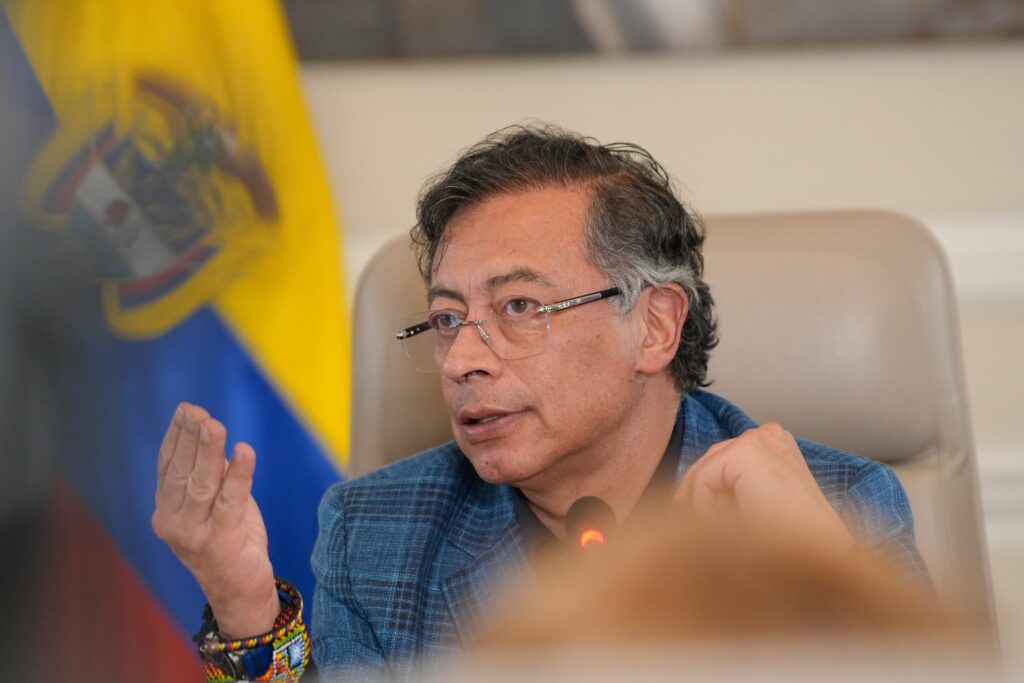
The next day, President Abelardo De la Espriella visited the city and stated that the attack was carried out by Ómar Pardo Galeano, alias “Antonio Medina,” a commander of the FARC dissident group Estado Mayor Central (EMC), or Central General Staff in English.
“Why are they doing this? Because we are confronting them. When you attack a nest of cockroaches, they scatter. That is what they are doing. But they will not be able to contain the force of the State,” stated De la Espriella in a press release.
The blast comes as Colombia marks 10 years since former President Juan Manuel Santos signed a peace agreement with the FARC in 2016, a historic move that was meant to bring an end to half a century of armed conflict and one that earned Santos the Nobel Peace Prize.
Since then, however, the State has largely failed to deliver on a number of points within the agreement, and thousands of former FARC combatants have rearmed.
“We strongly condemn the terrorist attack in Villavicencio and the other attacks,” former President Santos stated on X, insisting on “the need to unite the country to regain control of the territory and guarantee security.”
Santos added that “implementing the Peace Agreement would contribute to this end.”
Colombia’s current president, who has styled himself as a tough-on-crime crusader, has been one of the harshest critics of the peace accords with the FARC.
De la Espriella, who took office on August 7, has carried out nine aerial bombardments as of November 15, killing 73 people including minors, according to Caracol Radio.
The bombing in Villavicencio has been reported by local media as revenge for De la Espriella’s actions against rebel groups in the country.
“We are not going to back down or negotiate with terrorism. We will not stop until we completely defeat them and bring peace to the Colombian people,” the president said during his visit to the city.
Following the statement, Jesús Alejandro Barrera Peña, head of the National Police, confirmed that the force deployed “all its capabilities to capture those responsible and put them behind bars”, adding that they “will not rest until they achieve it”.
Separate attacks in less than 24 hours
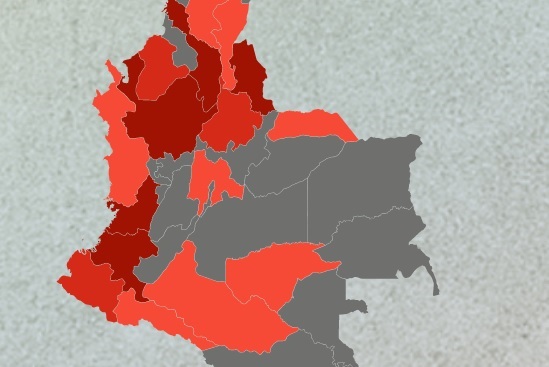
Other regions of the country also recorded attacks in a span of 24 hours this week.
In Cúcuta, the capital of the Norte de Santander department bordering Venezuela, a drone attack was registered on Monday against the police headquarters, leaving at least three citizens injured.
In Santander de Quilichao, Cauca, on Colombia’s western coast, a drone attack with explosives hit the Cachimbal tollbooth amid local clashes, closing the Pan-American Highway to Colombia’s third largest city, Cali.
While authorities continued responding to the emergency in Villavicencio, two other departments, Nariño and Putumayo, suffered a total blackout on Tuesday, November 24, following an attack on local energy infrastructure, the government confirmed in a statement.
Featured image: Screenshot of a cathedral in Villavicencio, Meta that was damaged on November 23, 2026 in a car bombing.
Image credit: Meta Governor’s Office via Facebook.