

Cuban President Díaz-Canel confirmed earlier today that the Cuban and American governments are engaged in official negotiations with the aim of halting the recent escalation of tensions between Washington and Havana.
“Cuban functionaries recently had conversations with representatives of the Government of the United States to find, by way of dialogue, the potential solution to the bilateral differences that exist between our two nations,” Díaz-Canel told journalists in a televised address.
His comments come amidst months of speculation about clandestine negotiations between Washington and Havana as the U.S. enforces a total oil blockade on Cuba in the hopes of forcing political regime change.
The Cuban state had, before this morning, refused to acknowledge the existence of official dialogue with the U.S. government; Díaz-Canel cited the revolutionary government’s aversion to giving into “speculation” about a particularly “sensitive” diplomatic process.
Washington, however, has previously referred to talks with Havana but has made no guarantee regarding a diplomatic solution to the tensions between the two countries. U.S. President Donald Trump has suggested that both “friendly” and “unfriendly” options for a Cuba settlement remain on the table.
Although the U.S. leader has not specified what these options may entail, the “friendly” deal likely refers to some kind of economic arrangement that sees the Cuban government liberalize the economy in exchange for an end to American sanctions. The “unfriendly” deal could involve regime change by military force, a method used by the Trump administration in Venezuela and Iran.
Although the breadth and full agenda of the talks remains unknown, Díaz-Canel mentioned that he had agreed to the inclusion of the Cuban diaspora, which is mainly concentrated in the United States, in economic life in Cuba proper.
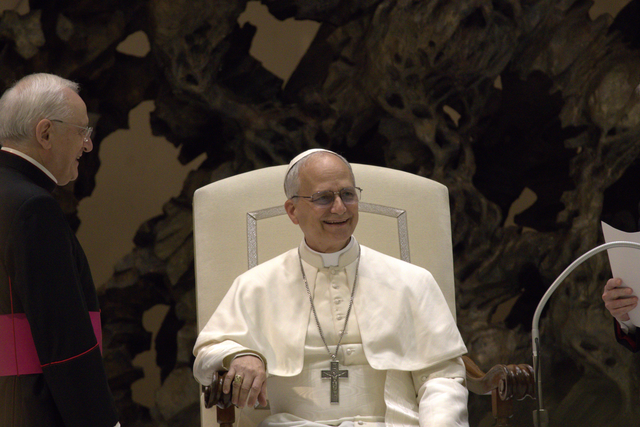
Díaz-Canel’s acknowledgement of talks follows an announcement of a prisoner release by the Cuban government late on Thursday. Although the Cuban government implied that this release had been a result of dialogue with the Vatican, its proximity to today’s statements could suggest Havana is willing to make political concessions to reach a diplomatic solution with the U.S.
The United States has reportedly proposed a deal with Cuba that would allow the Cuban leadership a peaceful political exit strategy, but Díaz-Canel has given no indication that a fundamental political change on the island is imminent.
Instead, he said that the current negotiations were being conducted with the express consent and at the direction of the “General of the Army” and “historic leader of our Revolution” Raúl Castro. Díaz-Canel also added that the negotiations would base themselves upon a mutual respect for “equality”, “the political systems of both countries, sovereignty and self-determination”.
Responding to the announcement, a functionary of the Cuban Foreign Ministry, who asked to remain anonymous, told Latin America Reports: “Our willingness to converse with the United States has always been there”.
However, reiterating the Cuban President’s statements, they added, “we must resolve our differences through respectful dialogue between equals with respect for our sovereignty”.
But as negotiations take place, the U.S. continues its campaign of maximum pressure.
Díaz-Canel also revealed in his address today that not a single oil tanker had reached Cuba in three months as he named the U.S.-sanctioned “energy blockade” as the biggest crisis currently facing the country.
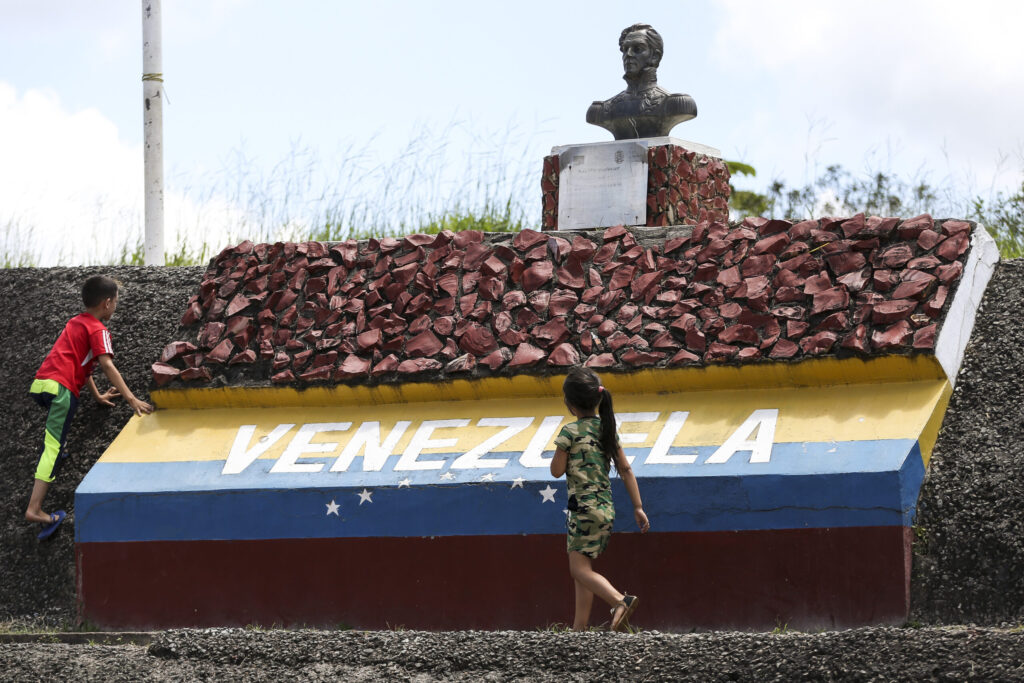
A Russian tanker carrying 200,000 barrels of oil was recently diverted away from the island under suspected U.S. pressure. Venezuela, Cuba’s erstwhile closest regional ally and chief oil supplier, has also been blocked by Washington from providing the island with energy supplies.
As the U.S. blockade pushes Cuba’s economic and humanitarian infrastructure towards collapse, hope for some form of peaceful negotiated settlement remains.
Featured Image: Cuban President Miguel Díaz-Canel
Image Credit: Russian Duma via Wikimedia Commons
License: Creative Commons Licenses