
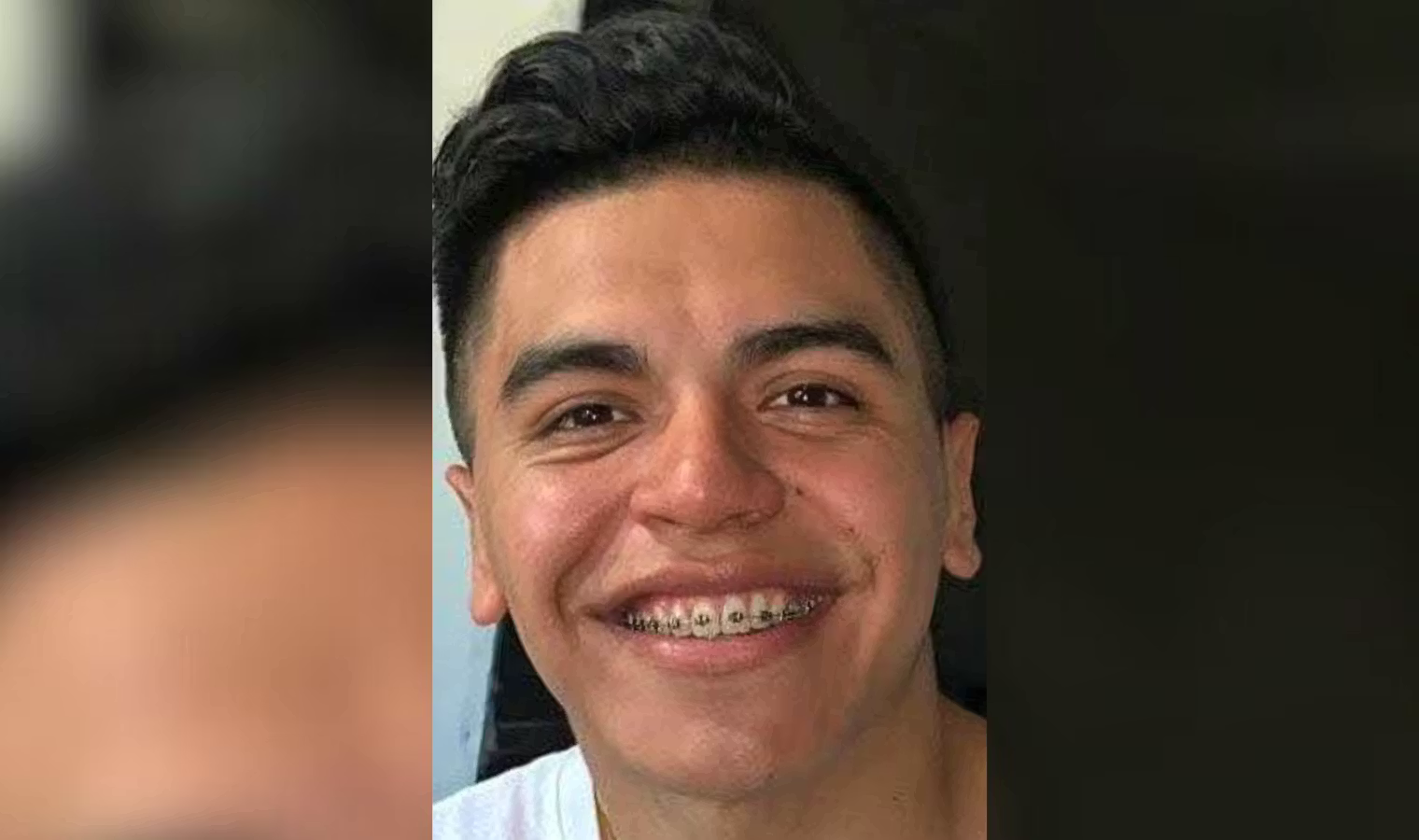
Mexican journalist Carlos Leonardo Ramírez Castro was shot dead in a restaurant owned by his family in Poza Rica, Veracruz state, on January 8. The 26-year-old covered local organized crime for Código Norte Veracruz, of which he was director, and other regional outlets.
Castro was given police protection in 2024 following threats by the municipal police, according to Reporters Without Borders (RSF). He lost the security detail when he left the state for a few months and it was not reinstated upon his return.
Two young women linked with Castro were also reported missing following the journalist’s funeral on January 10. Castro’s girlfriend Wendy Arantxa Portilla and friend Karime Montserrat Murrieta, respectively aged 23 and 22, have yet to be found.

Castro is the eleventh media professional killed since President Claudia Sheinbaum took office in October 2024, according to RSF, and the first in 2026.
State investigations into the murder and the disappearances are ongoing.
“Break the cycle of impunity”
International press freedom watchdogs widely condemned the assassination and urged Sheinbaum to fulfil her campaign pledges to combat violence against journalists. She had signed a plan elaborated by RSF a few days before the election in May 2024, of which none of the 22 steps have been fully applied, according to the NGO.
The proposal notably demanded reforms to end the use of abusive lawsuits to harass and censor journalists, improved protection and federal investigations into assassinations and disappearances.
The Inter-American Press Association (IAPA) said Castro’s death reflected “structural failures in protection and justice systems” and urged Mexican authorities to “break the cycle of impunity”.
Last year, Mexico ranked as the second most dangerous country in the world for journalists, with nine killed, only second to Palestine, according to RSF’s report. The situation has worsened in the last two years, with four assassinations in 2023 and five in 2024.
More than half of the journalists killed and three-quarters of the journalists missing in the Americas were in Mexico. In both categories, the Americas accounted for approximately a third of world cases.
Mexican journalists covering crime outside of the capital face a higher degree of violence, according to a 2024 Committee to Protect Journalists (CPJ) and Amnesty International report.
The state of Veracruz has proven particularly dangerous recently. In June, the photojournalist Avisack Douglas Coronado, 47, was murdered in Veracruz city while working with a mayoral candidate.
In another highly publicised case in Veracruz, Rafael Leon Segovia was detained for multiple charges including terrorism after investigating the Veracruz Prosecutor’s office. He was released from house arrest on January 21 as all charges were dropped.
Featured image description: Picture of Carlos Leonardo Ramírez Castro
Featured image credit: RSF