
Caracas, Venezuela – More than a month after twin earthquakes struck Venezuela on 24 June, girls face growing risks of gender-based violence, exploitation, disruption to education and reduced access to essential services, according to UK-based NGO Plan International.
The organization warns that these risks do not end once the immediate emergency has passed; as the country moves into recovery, weakened protection systems and disrupted support networks can create new vulnerabilities for all children, but particularly girls.
“Girls, especially adolescent girls, face greater exposure to sexual exploitation, violence and domestic work, while adolescent boys face risks of recruitment by criminal groups,” said Yesica Serrano, Plan International’s Regional Child Protection Advisor for Humanitarian Action, in Caracas.
“During emergencies, the protective environment for children weakens. Caregivers are under immense stress, and it is in these moments that trafficking networks and other perpetrators take advantage.”
Plan International said adolescent girls who have been separated from their families, or whose caregivers have died or been hospitalized, face the greatest risks of exploitation and abuse.
The earthquakes killed at least 5,546 people, with numbers likely to rise due to thousands of people still missing. Around 24,000 people are living in temporary shelters, according to government figures, while many others remain displaced, staying with relatives or living in makeshift camps near their damaged homes.
Living conditions after the earthquakes are increasing some of these risks. Plan International says some families are reluctant to move into organized shelters because of concerns over overcrowding, privacy and safety. Many temporary sites lack separate toilets for men and women or private spaces for women and girls.
In La Guaira, the area worst-affected by the quakes, Diana Hernandez said she did not want to move into a shelter after her home collapsed, despite the difficult conditions where she is currently staying and caring for her children.
“I don’t want to go to a shelter in an area I don’t know. It would be a disaster,” she said.
Rumours about dangers facing children and reports of sexual assault have been enough to convince her to remain in a large Chinese government-donated tent near her home.
While there are few facilities and no formal showers, Hernandez said she prefers staying there because she knows the people around her and the military provides security around the small makeshift camp.
“I want to rent a flat, but I need a safe place, a safe neighbourhood, not a dangerous one,” she said.
Similar concerns were raised by Andreina, a 26-year-old mother who has been living in a public square with her husband and young daughter since 25 June.
“I’d rather be in a plaza where I know the people around me than go somewhere huge where you don’t know who comes in and who goes out,” she told Plan International.
But Plan International says protection concerns extend beyond immediate safety in accommodation and urgent needs such as food, water, flashlights and shelter. It says essential items for women and girls, including sanitary towels, have often been overlooked.
Education is another concern. Although Venezuelan schools are currently on summer break, Plan International said the earthquake cut the previous school year short for thousands of children. Several school buildings are now being used to house displaced families, creating uncertainty over whether classes will resume when the new school year begins in September.
For many children, schools are not only places of learning but also safe spaces that provide routine and support after a traumatic event. A prolonged disruption risks removing one of the few structures helping children recover.
Plan International warns that recovery funding must go beyond rebuilding homes and infrastructure.
The organization said it has been providing emergency assistance since the first days after the earthquakes, including child protection services, psychosocial support, hygiene kits, emergency education activities and primary healthcare through local partners across affected states.
Without sustained support, the organization warns, girls and other vulnerable children risk being overlooked as attention shifts from the emergency response to longer-term recovery.
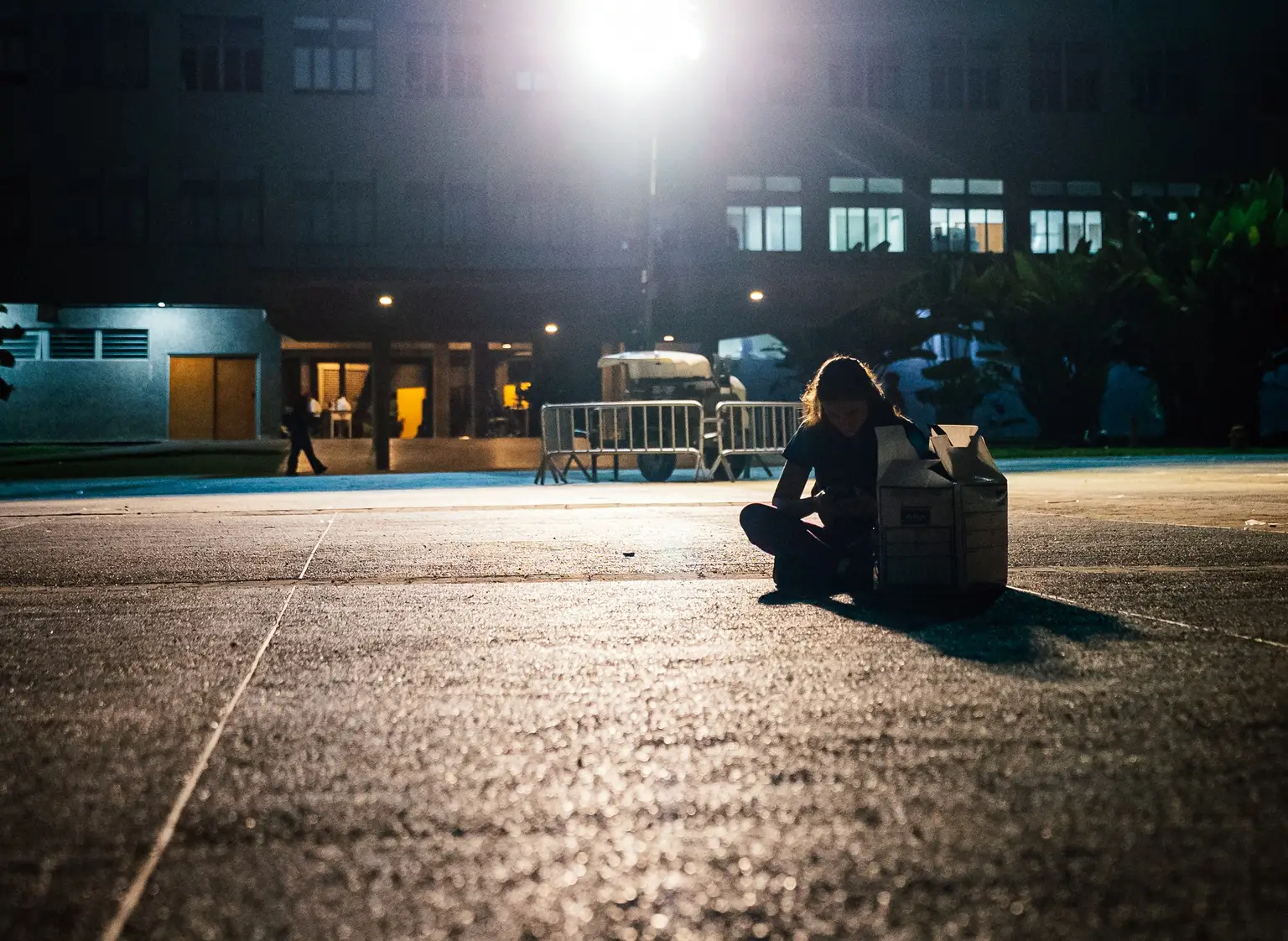
Featured image description: A girl displaced by the earthquakes sits with her box of possessions in Caracas.
Featured image credit: Plan International