
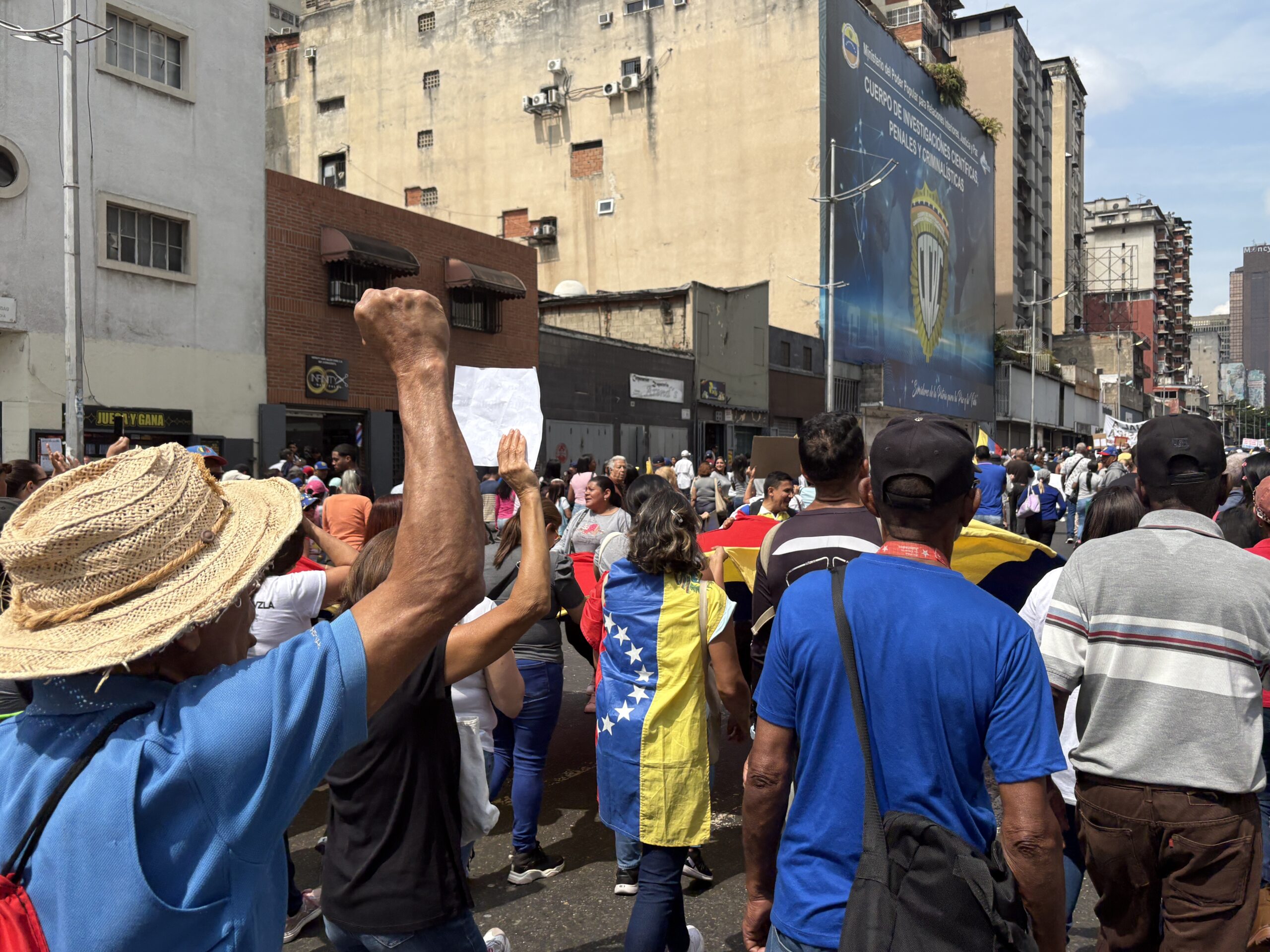
Police fired tear gas at protesters in Caracas on Thursday, as workers marched to demand higher wages and better pensions.
Demonstrators, reported to number around 2,000, attempted to reach the presidential palace but were blocked by officers in riot gear. Videos shared on social media show police in helmets and shields scuffling with protesters as clashes broke out along the route.
The protest is the latest in a series of anti-government demonstrations that have occurred since the U.S. removed longtime leader Nicolás Maduro on January 3.
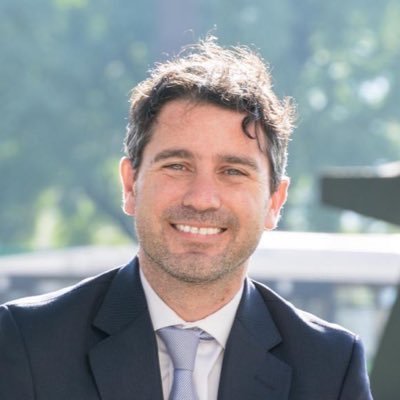
Edward Ocariz, who was at the protest, told Latin America Reports there was a lot of shoving by police. He said an officer took his phone as he was filming on it, but he managed to get it back, sustaining an injury to his hand in the process.
One video published by Venezuelan human rights organisation PROVEA appears to show an officer assaulting a person with his shield, which the NGO said was its photographer.
Workers took to the street to protest over low wages and pensions that have left some citizens struggling to get by. Venezuela’s minimum wage for public sector workers has not been increased since 2022, leaving many employees with just 130 bolívares per month — equivalent to less than US$0.30, not even enough for a loaf of bread.
Top up ‘bonuses’ – additional payments given out by the government — can raise total income to between US$50 and $150, but unions and workers say these are unreliable and they want a dignified salary.
For years, Venezuelans have endured an economic crisis that has left people struggling to pay for food, medicine and basic goods.
“We’re not going to keep surviving on a miserable wage,” Rene Zapata, Secretary of the Organization of the Venezuelan Teachers’ Federation in Miranda State, told Latin America Reports. “With my wage I cannot even buy half a carton of eggs,” he said.
Zapata said he and other demonstrators had managed to push past some barricades and that workers just wanted a better income and to be able to afford to eat.
Since Nicolás Maduro and his wife, Cilia Flores, were captured in a U.S. operation on January 3, there have been an increase in anti-government protests calling for better living standards. Following the 2024 presidential election — when Maduro claimed victory despite opposition evidence showing he had lost — protests had been almost non-existent due to the threat of detention.
“People have shown they’ve lost their fear. We are no longer afraid, and we will keep moving forward for a fair wage,” Zapata said.
On Wednesday evening, interim president Delcy Rodríguez announced that wages would rise on May 1, describing the increase as “responsible” and designed to avoid inflation, though she did not disclose the amount. While hoping to quell public discontent, many public-sector workers said the announcement fell short of what they deserved.
“They come talking about a responsible increase, but it is a fallacy and a lie,” Argelia Castillo, general secretary of the APUFAT‑UCV union representing workers at the Central University of Venezuela, told Latin America Reports.
Castillo, a social worker and university professor, said the government should ensure salaries cover the basic cost of living. She added, “Workers cannot endure this, and we cannot wait until May 1.”Rodríguez has been leading the country since Maduro’s capture, but many citizens see her as a continuation of the old administration and are hoping for new elections.
Featured image description: Workers partake in a protest in Caracas in March 2026 calling for higher salaries.
Featured image credit: Catherine Ellis