

Caracas, Venezuela – More than two weeks after Venezuela was rocked by devastating twin earthquakes, international support has begun to wane.
While rescue teams and humanitarian workers from around the world mobilized to save lives in Venezuela following the disaster, many went home as the chance of finding survivors dwindled. Media interest has faded, too.
But international organizations and local aid workers say the crisis is far from over, and that the country needs help from abroad now more than ever.
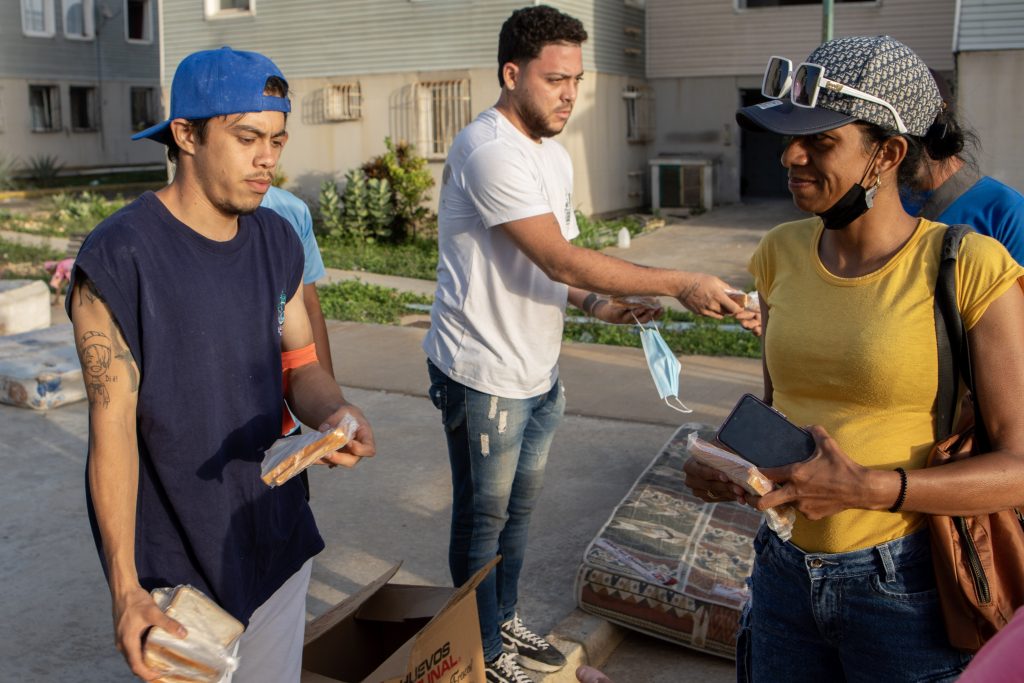
Since the earthquakes struck, survivors of the earthquake have been supported by a coalition of humanitarian organizations and the efforts of regular citizens, who can be seen around Caracas and La Guaira collecting, transporting, and distributing vital medical aid, drinking water, and food.
But with no survivors found in days and many international rescuers having already left, the humanitarian response to the crisis is turning instead to long term challenges.
The Pan American Health Organization has warned of a heightened risk of diseases spreading in the aftermath of the disaster, citing low pre-event vaccination coverage for illnesses like tetanus, yellow fever, and measles.
The World Health Organization has also warned that Venezuelan health facilities are unequipped to deal with the crisis, reporting shortages of as much as 37% of essential medicines due to years of underinvestment.
Transmissible diseases can spread easily in the squalid conditions of displacement camps which are housing nearly 20,000 people displaced by the earthquake, according to official government figures.
“These people are on the streets, sleeping in precarious conditions, and that’s where diseases spread,” said Jan Costa, a psychologist attending to victims at a camp in downtown Caracas.
Many NGOs are focusing their efforts on protecting survivors from new health risks.
“Our response to the emergency after the earthquakes here is focused on ensuring there is access to primary healthcare, ensuring access to water, hygiene, and sanitation kits,” Everardo Esquivel, Associate Director, Communications at the International Rescue Committee (IRC), told Latin America Reports.
The IRC has a mobile health unit which travels between Caracas and La Guaira providing assistance to local communities.
Housing the homeless
Beyond medical concerns, there is also no clear solution to housing the 17,907 unable to return home following the disaster.
“We’re waiting to see where they take us to, where they send us,” said Vladimir Ramirez, a man who lost his home in La Guaira and is now living in a camp in Caracas.
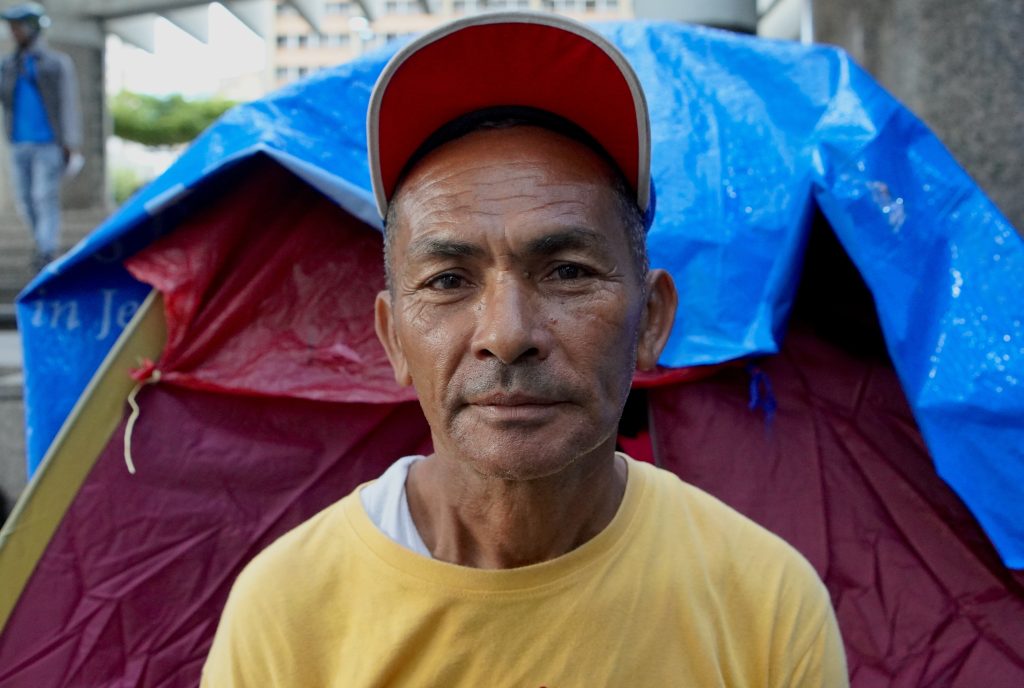
The government announced a US$200m fund to rebuild homes lost in the disaster, but many have entirely lost hope in the state to provide safe accommodation.
“The buildings they built were no good because they stole the money and the materials and tried to do it as cheaply as possible,” said Ramirez. “Everything collapsed – my house collapsed. It was made of cardboard.”
Even if the government can secure the $200m, which it says will be released by the International Monetary Fund, the earthquakes inflicted as much as US$37 billion in damages to infrastructure, according to the United Nations.
To make matters worse, the damage was inflicted on a country already struggling from a prolonged economic crisis.
“Public services like health or education or other services were already overstretched before, and now after these earthquakes, the services have been further disrupted,” said the IRC’s Esquivel. “People who were already struggling to make ends meet and who were already struggling to get these basic services are now further impacted.”
He argued that the crisis in Venezuela will not be over any time soon and that the international community must accompany the country in its long-term recovery.
“It’s important that the world and international community step up and continue providing support and funding for the long-term recovery in Venezuela, for the long-term work with organizations to bring the services to Venezuelans in the future,” said Esquivel.
But he also noted that humanitarian efforts in the country even before the earthquakes were already struggling to meet their targets. Last year, the UN’s Humanitarian Response Plan (HRP) only reached 16% of its funding requirements. This year, the HRP for Venezuela called for US$632m in funds to meet its goals, a figure which increased to $932m following the earthquakes.
While international organizations desperately try to raise funds for Venezuela, some of those affected by the earthquake say the only real long-term solution is employment, rather than aid.
“We want help that will get us a job. We don’t want them to give us a bed, or a mattress, or a TV. We want them to give us a job so we can work hard and buy them ourselves,” said Rina Romero, a woman from Caracas who cannot return to her home due to damage.
But for Ramírez, the message from Venezuela to the international community is simple: “We need you to help us.”
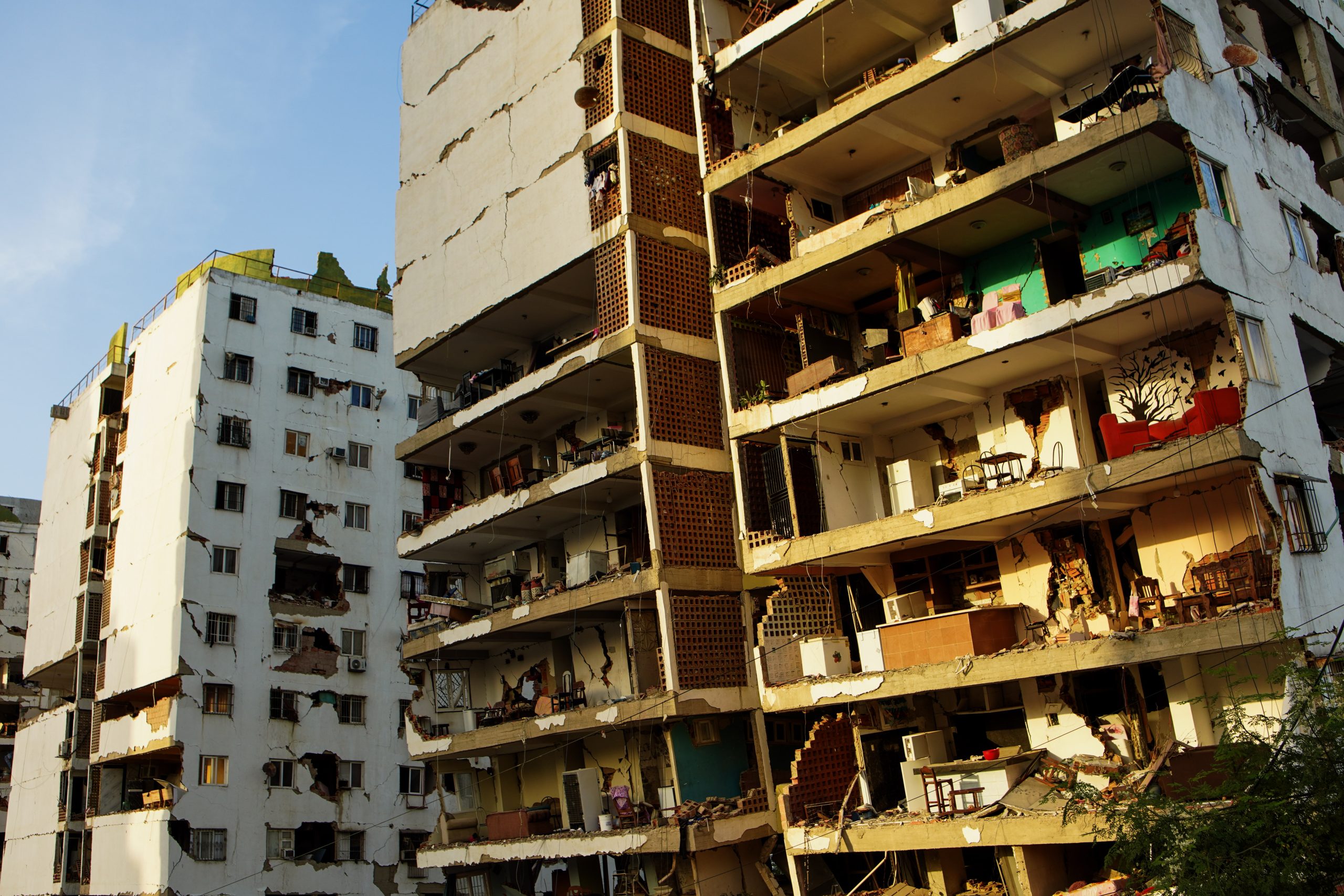
Featured image description: A building heavily damaged by the earthquake in La Guaira.
Featured image credit: Alfie Pannell