
Bogotá, Colombia – The Colombian national parks agency announced the temporary closure of the Tayrona National Park on Tuesday, February 17, citing threats against park staff by armed groups.
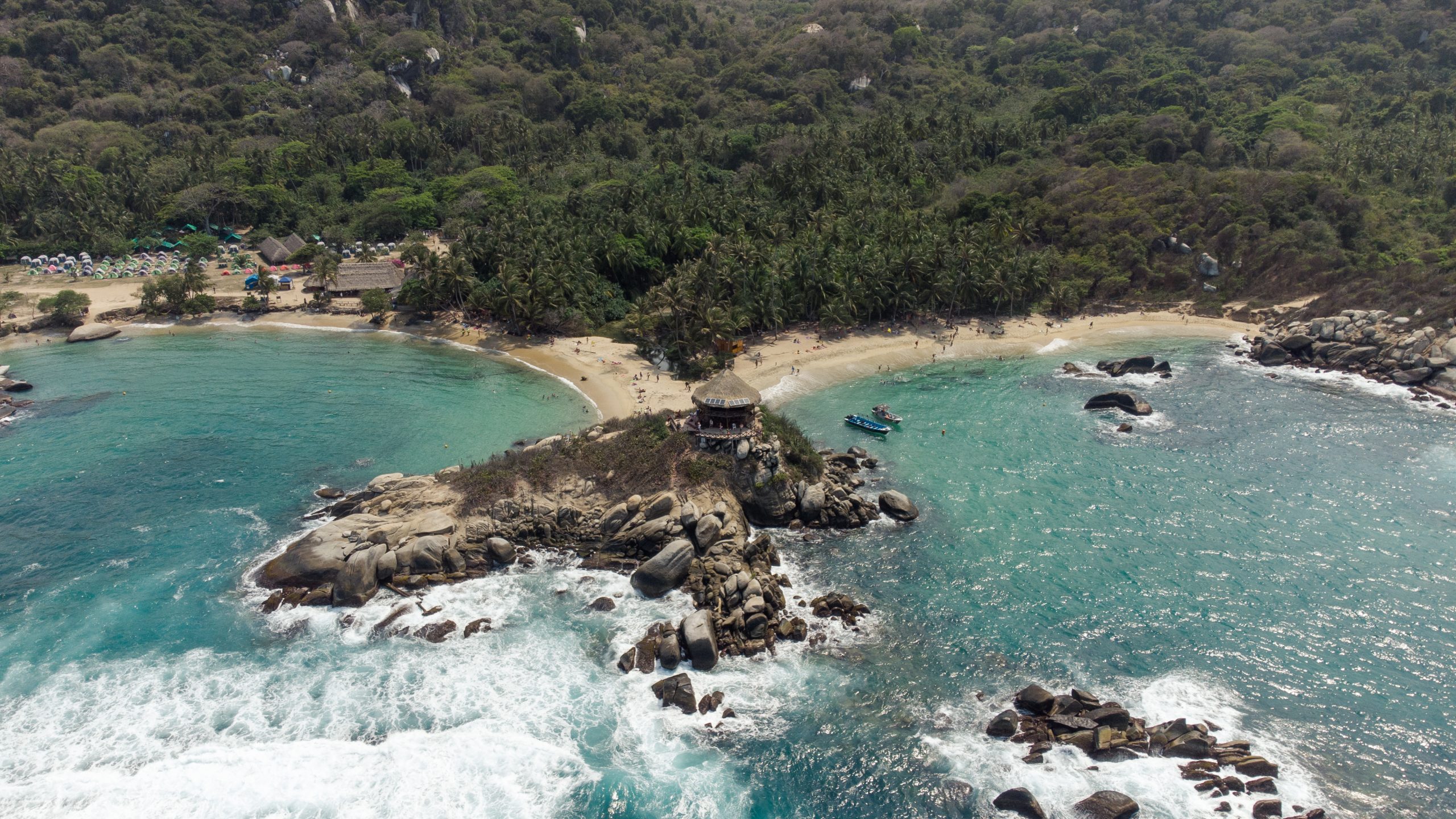
Tayrona, located on the country’s northern Caribbean coast, is one of the country’s most visited national parks, attracting as many as 750,000 visitors from around the world each year.
The closure comes amid a war between two criminal organizations fighting to control territory and strategic drug trafficking routes in the region.
“The National Government announced the temporary closure of Tayrona National Natural Park as a preventive measure to protect the lives and safety of visitors, communities, and officials, and to ensure their security,” read a government statement on Tuesday.
The dispute began with an operation on February 11 to dismantle “unauthorized constructions in the protected area” in the park. The director of the national parks agency explained that these included houses, bathrooms, and hiking trails built without state permission.
The demolition prompted threats online against park personnel, according to the government. The situation escalated on Monday, February 16, when locals blocked park employees from entering Tayrona. They also reportedly took over government functions, charging tourists for access and allowing people to enter without formal registration.
“This created a situation that prevents a minimum level of security from being ensured within the protected area,” said authorities.
Rising armed group activity in the region
While the government did not specify who it believes to be behind the actions, the closure comes amid a mounting turf war in the area between two criminal organizations: the Conquering Self-Defense Forces of the Sierra Nevada (ACSN) and the Gaitanist Army of Colombia (EGC), or Clan del Golfo, designated a terrorist organization by the United States last December.
“This latest escalation in Tayrona is yet another chapter in this very unfortunate territorial contest that’s been underway now for several years,” said Elizabeth Dickinson, deputy director for Latin America at the International Crisis Group.
For decades, the ACSN – under different names – has controlled the Sierra Nevada, Tayrona and the city of Santa Marta through a web of powerful family clans. But in recent years, the EGC has been pushing east along the coast from its stronghold in the Gulf of Urabá, trying to displace the ACSN.
The EGC’s long-term goal is to reach the border with Venezuela and surround the key coca-producing region of Catatumbo, says Dickinson.
“[The Sierra Nevada] is sort of a route on the route to their goal. And… the effect on the civilian population from both sides has been pretty devastating,” said the analyst, who noted a rise in forced confinement, recruitment, and targeted killings.
While tourists tend to be insulated from criminal violence in the area, with armed groups preferring to profit from drugs and prostitution, Tayrona’s closure may signal a shift.
But local tourism operators tell a different story; they say the closure has nothing to do with the security situation. Instead, members of the community say the problem is that the government, which collects revenue from ticket sales, is not re-investing it in the park.
“The communities are tired, and the Indigenous people are tired because they don’t receive the money either; it’s taken to Bogotá,” said Luis Eduardo Muñoz, a local leader.
He explained that members of the community took action to renovate vital tourism infrastructure in the park because the national government failed to invest in it. When the state demolished it, they protested.
“Why do they have to resort to extreme measures and try to close the park if it is necessary for people’s livelihoods?” said Muñoz, who called for dialogue between the government and local leaders.
Although the cause of the closure remains disputed, security analysts nevertheless say it underscores increasing insecurity in the Sierra Nevada region around Tayrona.
It also marks another setback for President Gustavo Petro’s peace process, with the government actively engaged in negotiations with both the ACSN and the EGC.
Petro said the ACSN had signed a deal after Tayrona’s closure to guarantee civilian safety and suspend attacks on state security forces.
But the prospect of a peace deal remains uncertain as the group faces a mounting threat from the EGC.
“I think the fundamental question remains the tactical situation on the ground because, of course, they can’t negotiate if they’re under immediate threat from another force,” said Dickinson.
Featured image description: Tayrona National Park
Featured image credit: National Natural Parks of Colombia.
This article originally appeared on The Bogotá Post and was republished with permission.