
Medellin, Colombia – United States President Donald Trump told reporters on Saturday night that his administration is “starting to talk to Cuba”. Trump did not elaborate on the content of the supposed talks, nor did he say how long they had been taking place.
This revelation comes after Trump warned the political establishment of the island nation to “make a deal before it’s too late”.
The president’s comments were followed on Sunday by a plea for peace between the two longstanding adversaries by Pope Leo XIV. The pontiff posted on X that he “echo[ed] the message of the Cuban bishops, inviting all responsible parties to promote a sincere and effective dialogue, in order to avoid violence”.
A member of the Cuban Foreign Ministry who asked to remain anonymous told Latin America Reports that “Cuba has never refused to converse with the U.S. government, provided that talks are held under conditions of equality and that our sovereignty is respected”.
Since the capture of Venezuelan President and Cuban ally Nicolás Maduro by U.S. special forces, and his subsequent forcible extradition to the United States, the U.S. has started to ramp up economic pressure on Cuba.
Throughout the 21st Century Cuba has been heavily dependent on Venezuelan oil; this supply has effectively been cut off, leaving Cuba with a reported “15 to 20 days of oil left” (as of late last week).
The Trump administration has also threatened to impose tariffs on imports from any country that supplies oil to Cuba. These threats have been directed in particular at Mexico. The North American nation had promised to continue supplying Cuba with oil.
However, since then Mexico’s state oil company Pemex has cancelled a Cuba-bound shipment amid mounting U.S. pressure.
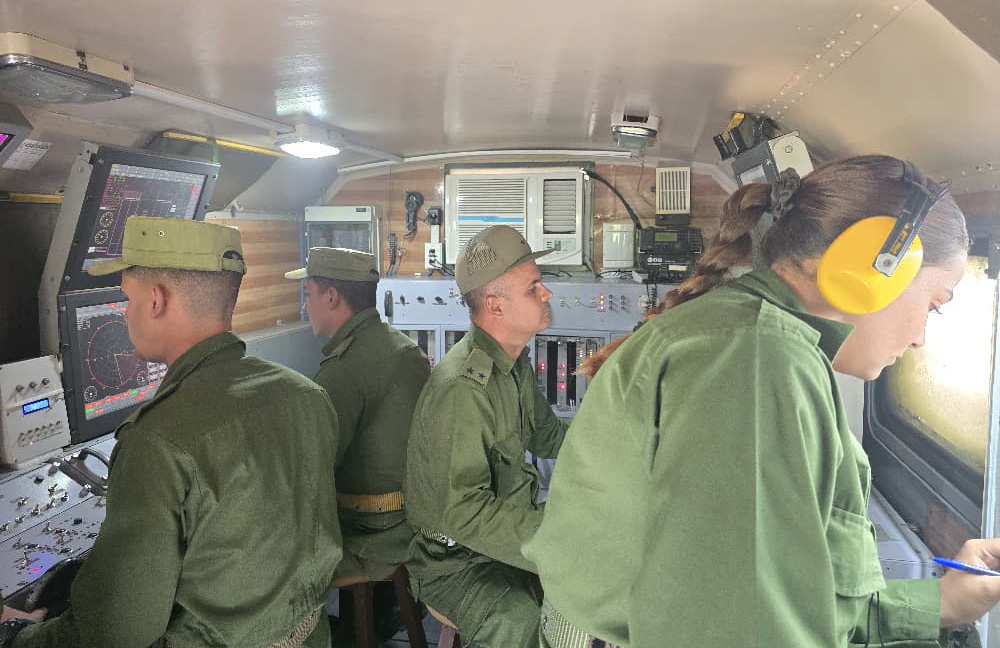
Cuba, in response, has activated emergency measures and approved a transition into a “state of preparation for war” in the event of a Maduro-style military operation by U.S. forces against the Cuban leadership or people.
The preparations appear well founded; European and Latin American embassies have reportedly activated evacuation plans. The U.S. chargé d’affaires to Cuba, Mike Hammer, allegedly told American embassy staff last week in an internal briefing to pack their bags if they had not already.
In a speech to other diplomats, Hammer warned that “The Cubans have complained for years about ‘the blockade’ [the decades-long American economic embargo on the island] … but now there is going to be a real blockade”.
Although Trump’s recent comments suggest that negotiation and diplomacy remain viable options, the recent dramatic escalation of tensions between the U.S. and Cuba appear to indicate an imminent tipping point, one that may break the Cold War-era stalemate that has characterized the relationship between the two nations since the triumph of the Cuban Revolution.
Featured Image: Cuban military personnel engaged in training as part of the nation’s transition into a state of war in the face of U.S. threats
Image Credit: Cuban Embassy in US via X
License: Creative Commons Licenses