
Medellín, Colombia – During each of the last nine years around 100 human rights defenders have been assassinated in Colombia, according to a United Nations (UN) report published this Thursday.
The 972 deaths recorded between 2016 and 2025 make Colombia “one of the most dangerous countries in the world” for such activists, according to the UN’s High Commissioner for Human Rights, Volker Türk.
Following the historic peace accords between the government and the Revolutionary Armed Forces of Colombia (FARC) in 2016, the report noted a gradual increase in assassinations.
This was linked to the state’s inability to maintain a strong presence in areas previously controlled by the guerrilla group.
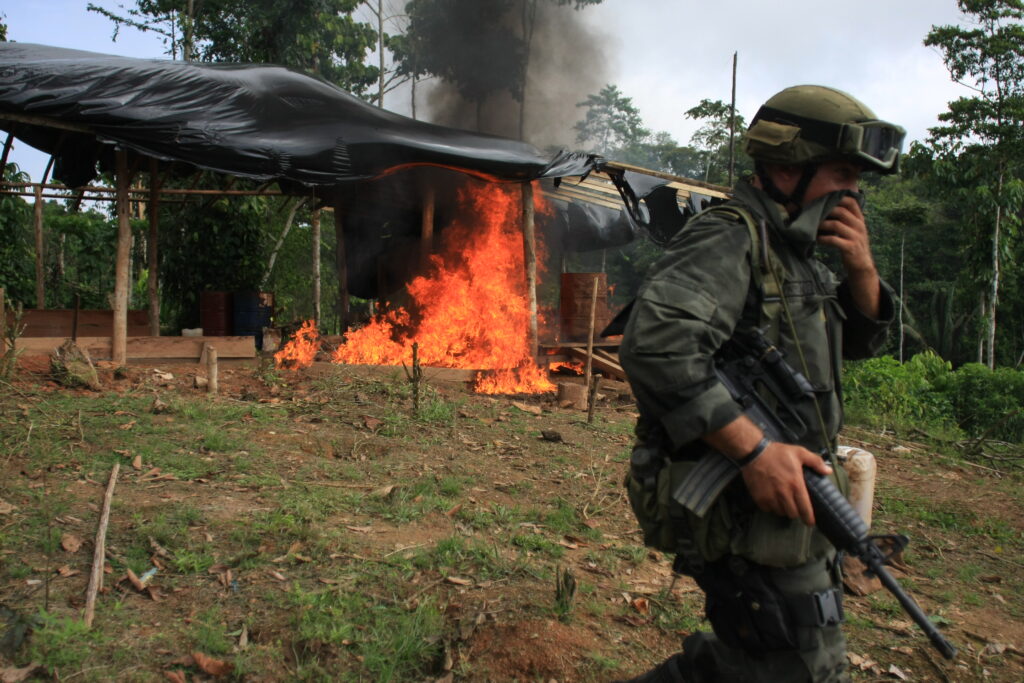
Over 70% of identified perpetrators were armed non-state actors, with the majority of cases analyzed by the report involved in drug trafficking, illegal mining, illegal logging, and human trafficking.
The number of attacks and threats against human rights defenders investigated by the UN between 2022 and 2025 was 2,018, however this is thought to represent “only a fraction” of the true number due to underreporting and the lack of efficient government records of such cases.
The report recognized the work of the current Historic Pact (Pacto Histórico) government of Gustavo Petro, which has publicly recognized the gravity of the situation and worked to develop a national strategy to counter it.
This included the 2022 law that established peace as a matter of state policy, recognizing the state’s responsibility to “guarantee human security” through a “territorial and intersectional approach”.
However, the UN says the state’s response has failed human rights defenders due to its fragmented nature that lacks coordination between national, departmental, and municipal authorities.
“In addition to ensuring accountability for the murders that have taken place, addressing the structural causes of this human tragedy through a comprehensive approach must be a priority for all relevant authorities in Colombia, in order to protect human rights defenders and enable them to carry out their vital work safely,” Türk said.
High levels of impunity have also persisted, with only 55 out of the 800 cases investigated between 2022 and 2025 ending in sentencing. In over half of these cases, no suspects have been identified.
Nearly a quarter of victims identified by the UN were Indigenous (23%) highlighting a disproportionate effect on this population that represents less than 5% of Colombians.
Other disproportionately affected groups include Afro-Colombians, LGBTQ+ individuals, rural community leaders and environmental protectors, as well as political leaders.
The report concluded by urging the Colombian state to take action to combat this issue, recommending institutional reforms and criminal investigations into perpetrators.
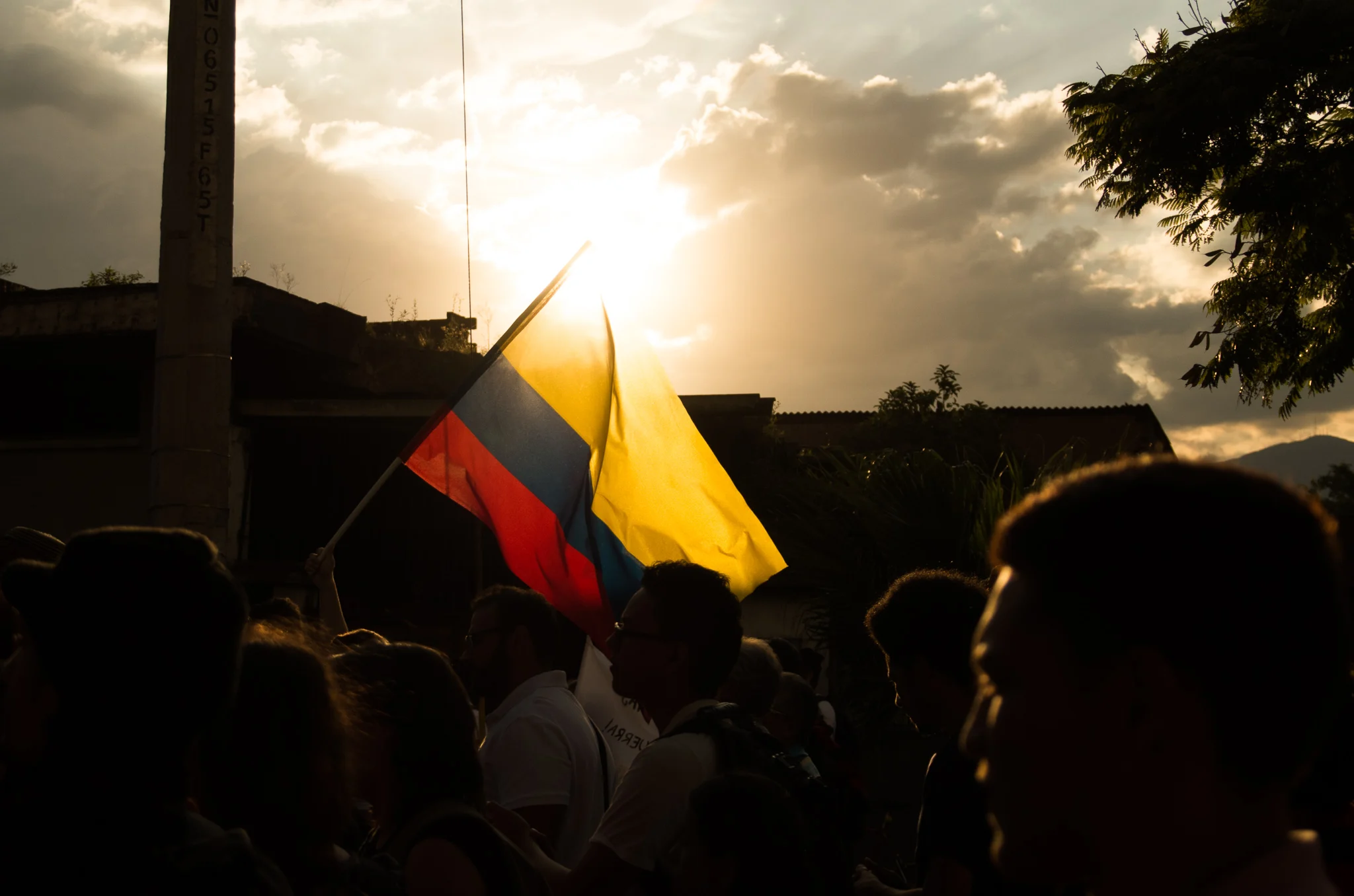
Feature image credit: Leon Hernandez via Flickr.