
Hundreds of students took to the streets of Chile’s capital city, Santiago, on Thursday to protest the opening of the Madrid Forum, a gathering of international right-wing and far-right figures.
Protesters criticized what they described as the revival of ideas associated with fascist former dictator Augusto Pinochet and opposed President José Antonio Kast’s security reforms.
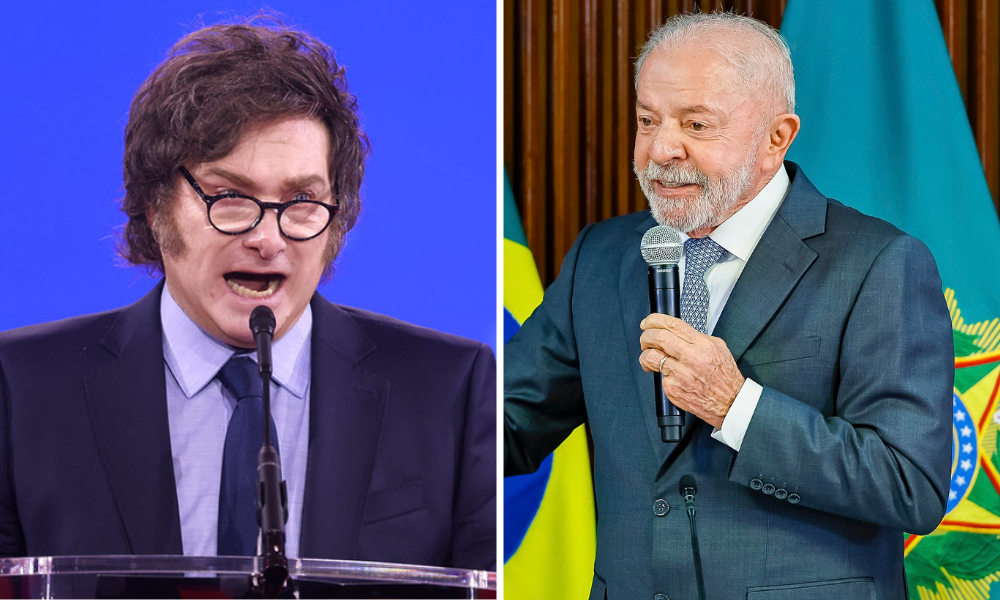
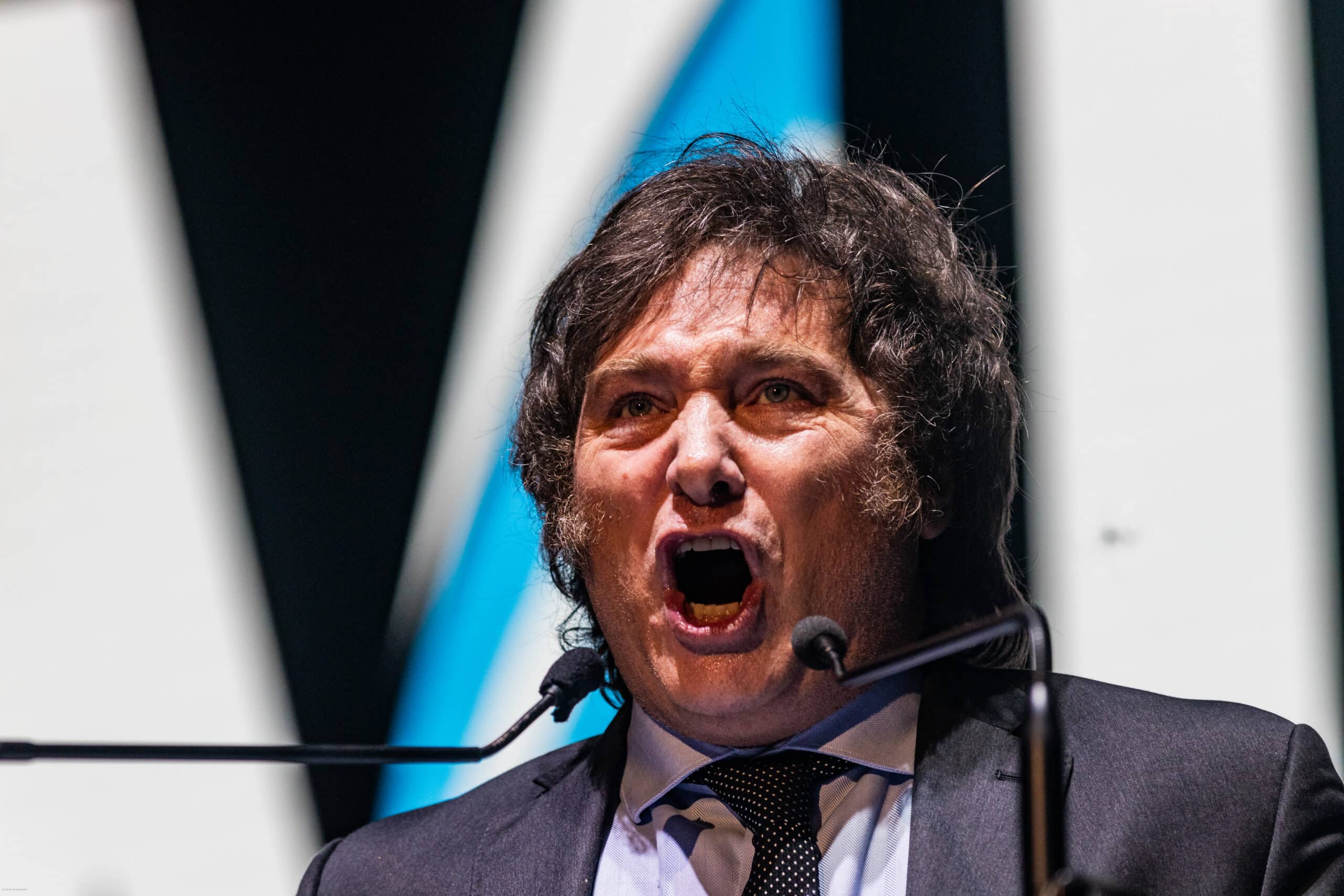
The protests came as Argentine President Javier Milei addressed the forum, where he praised the period following the 1973 military coup that brought Pinochet to power, describing it as an era of stability and economic growth.
Police clashed with protesters as they marched through the central Plaza Italia, using water cannons and tear gas to disperse demonstrators.
Chilean opposition figures also criticized Milei’s remarks, which they view as the rehabilitation of Pinochet’s dictatorial legacy.
Kast, who was inaugurated in March, is Chile’s first hard-right president since the end of the dictatorship.
He has defended Pinochet, suggesting he would have supported his candidacy, and appointed two of the late dictator’s former lawyers to high-ranking posts: Minister of Defence and Minister of Justice and Human Rights.
His security agenda, aimed at cracking down on organized crime and terrorism, includes a proposed constitutional state of exception for affected areas.
The state of exception would initially be imposed for up to 120 days and could be extended to a total of 240 days, or eight months, without congressional approval.
The measure would allow authorities to restrict movement and assembly and intercept communications, raising concerns over prolonged restrictions on civil liberties, a particularly sensitive issue in Chile given its history of military rule.
Chile’s Minister of Public Security Martín Arrau defended the reforms in an interview with CNN Chile’s Tolerancia Cero, saying they were intended to allow the government to intervene in areas where organized crime or terrorist groups operate and where the state has difficulty gaining access.
He said the proposed powers would allow authorities to restrict movement, impose curfews and intercept communications in targeted areas. He argued that longer periods were needed to tackle organized crime and terrorism, describing the reform as a tool for “deep, temporary interventions” in areas affected by criminal groups.
Arrau also defended allowing the government to extend a state of exception without congressional approval, pointing to his recent appearance before Congress to defend the continuation of the existing state of emergency in La Araucanía, introduced in response to violence linked to the region’s long-running conflict over Indigenous land. The state of emergency has been renewed more than 60 times since October 2021.
But the proposal has drawn criticism from analysts. Jorge Araya, a security expert at the University of Santiago, described the measures as “absolutely abusive” and argued that the government should instead invest more resources in the institutions responsible for investigating and prosecuting organized crime.
For the students protesting in Santiago, the presence of Milei and other figures associated with the international right has provided a focus for those concerns, with demonstrators accusing the government and its allies of reviving ideas associated with Chile’s authoritarian past.