
Manizales, Colombia – One week after experiencing its strongest earthquake in decades, Colombia is forced to meet the urgent and basic needs of its people while reckoning with the breadth of reconstruction that lies ahead.
The 7.4 magnitude earthquake that struck western Colombia has left thousands of citizens without a home, strained the region’s medical system and shuttered schools.
Colombia President Abelardo de la Espriella estimated Monday that the total cost of the earthquake would amount to 30 trillion pesos, or about US$9.58 billion, which amounts to nearly 2% of the country’s entire annual gross domestic product.
“Just imagine the scale of the disaster,” de la Espriella said in an address. “This is a preliminary figure that will be adjusted as we obtain more information and as the damage caused by this earthquake is assessed in each of the regions.”
The epicenter of the earthquake was in San Jose del Palmar in the Chocó Department, about 250 miles from Bogotá. The hardest-hit cities included Cali, Manizales, Pereira and Buenaventura, though many smaller, rural towns also saw grave damage.
While 356 lives were saved from under the rubble, the government reported 304 deaths and 4,548 injuries, making the Aug. 10 earthquake the deadliest to hit the country since 1999.
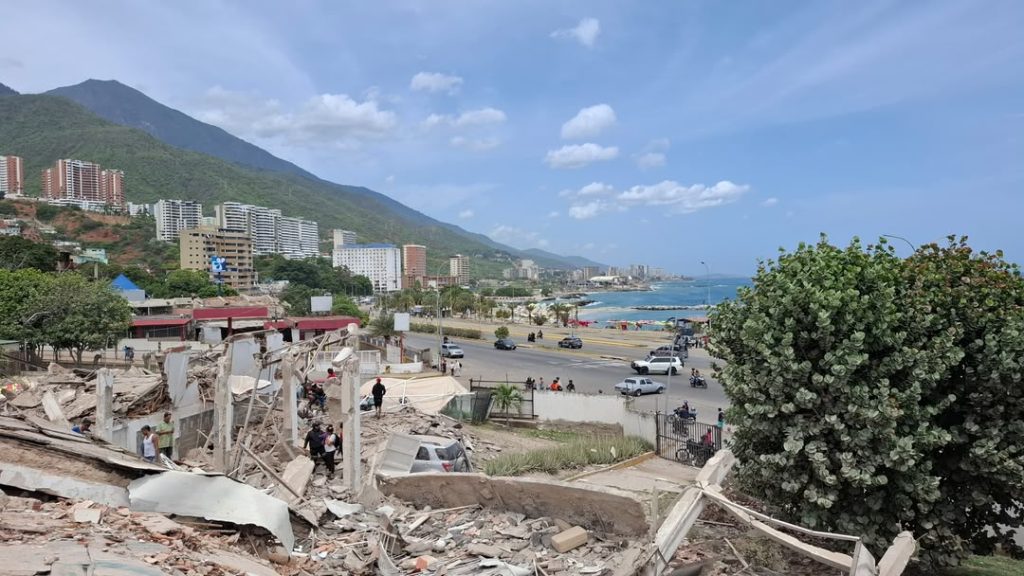
In addition to the human cost, the earthquake also left much of the region’s infrastructure in tatters, damaging 134,342 homes and causing the complete collapse of 267 buildings. The government tallied 3,443 education centers and 3,905 community centers impacted, as well as 49 bridges, 5 airports and 86 aqueducts.
Further complicating matters is the low rate of earthquake insurance across the country — according to El Pais, more than 90% of Colombian homes do not have an earthquake insurance policy.
The earthquake occurred just days after de la Espriella took office, and less than two months after twin earthquakes killed more than 6,000 people in Venezuela.
Foreign aid to support Colombia’s recovery has included US$15.5 million from the United States and US$2.3 million from the European Union, while Colombia has accessed US$200 million in loans from the World Bank.
The Colombian president has also asked United States President Donald Trump to ease tariffs on Colombian products to help spur its economic recovery, and declared an economic state of emergency that will give his office more control over the earthquake response.
De la Espriella has faced criticism for his government’s response to the crisis, including for allegedly delaying the arrival of rescue personnel from other countries. But he has led by maintaining a substantial presence in the affected area, including immediately after the quake, by visiting cities like Quibdó and Calí.
“In every place where the suffering was most intense, we stepped in with the government to manage the crisis and lend a helping hand to the people. I am leading them,” de la Espriella said.
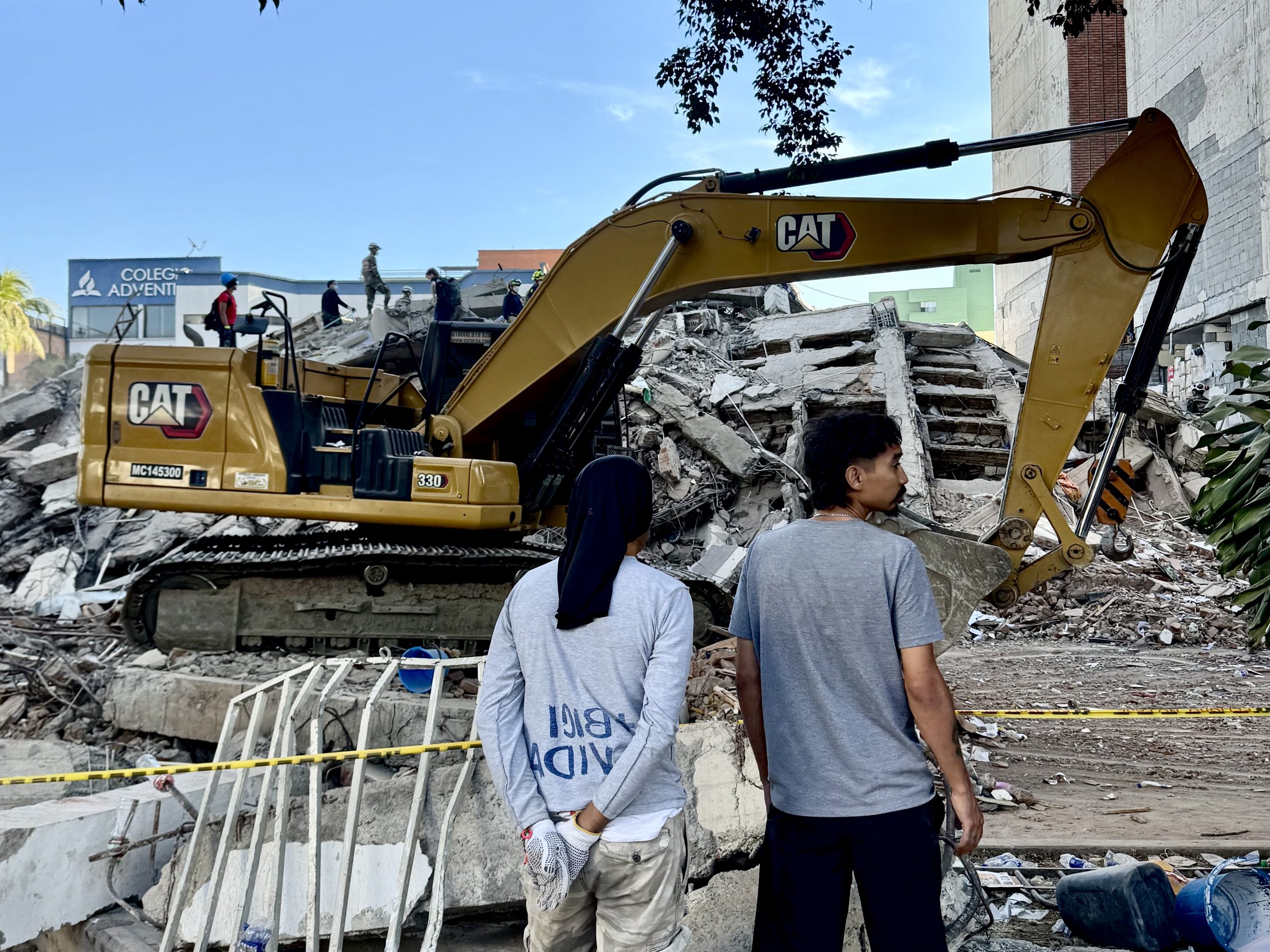
Featured image description: Onlookers at the site of the collapsed Vanessa Building in Cali after the 2026 earthquake.
Featured image credit: Alfie Pannell.