

Madrid, Spain – The Ibero-American Summit in Madrid wrapped up on November 5, with the signing of a statement which was endorsed by all the countries attending except for Argentina, Colombia, Costa Rica, and Paraguay.
The Latin American countries also managed to slip in a clause indicating that they disassociated themselves from paragraph four, which opposed coercion and other measures against international laws and UN Charter that hinder development of the state.
Spain had invested many months of effort in restoring relevance to the summit, a biennial event which involves the heads of state from 22 Spanish or Portuguese-speaking countries from Latin America and Europe.
The vote comes three weeks before Spaniards go to the polls on November 29.
Read more: Spain’s state pollster puts Sánchez’s Socialists 12 points ahead, private polls favour the right
There is no explanation for why the four countries dissociated themselves in the declaration itself. However, there are clues as to the timing: the week before, the UN General Assembly adopted a resolution against the U.S. blockade of Cuba and these four countries, along with Ecuador, were voting against it.
Argentina, however, went further. According to Spanish newspaper Estrella Digital, it dissociated itself from the AI alliance due to its position against the regulation of technology and also from the academic mobility and care characters. Paraguay also dissociated itself from the AI alliance.
Argentine President Javier Milei labeled Sánchez two weeks prior as an “impresentable dictator”. This time he bypassed the inauguration ceremony in the Royal Theater and the king’s dinner, and met with Santiago Abascal from the far-right Vox party before the plenary session. President Milei also told the delegates that socialism is fascism in politics.
Sánchez responded that this was not his style of politics and thanked Milei for coming.
In November 2025, Buenos Aires declined to back the G20 leaders’ declaration in Johannesburg, in what the outlet described as the first G20 summit without a consensus text.
Consensus, with an asterisk
Ibero-American Secretary-General Andrés Allamand called this Madrid summit one of “reaffirmation” and said it was “absolutely normal” that some countries put forward their own interpretation of an issue when there is common agreement about the core document.
The previous summit in Cuenca, Ecuador, in 2024 concluded with a declaration Argentina refused to back and with the participation of only three heads of state or government.
This year saw ten out of the 22 states represented by their heads of state, who signed one declaration together with four cooperation agreements, from the AI alliance to a network for disaster risks. Two other South American nations were represented by their vice presidents, while the other delegations came from foreign ministers.
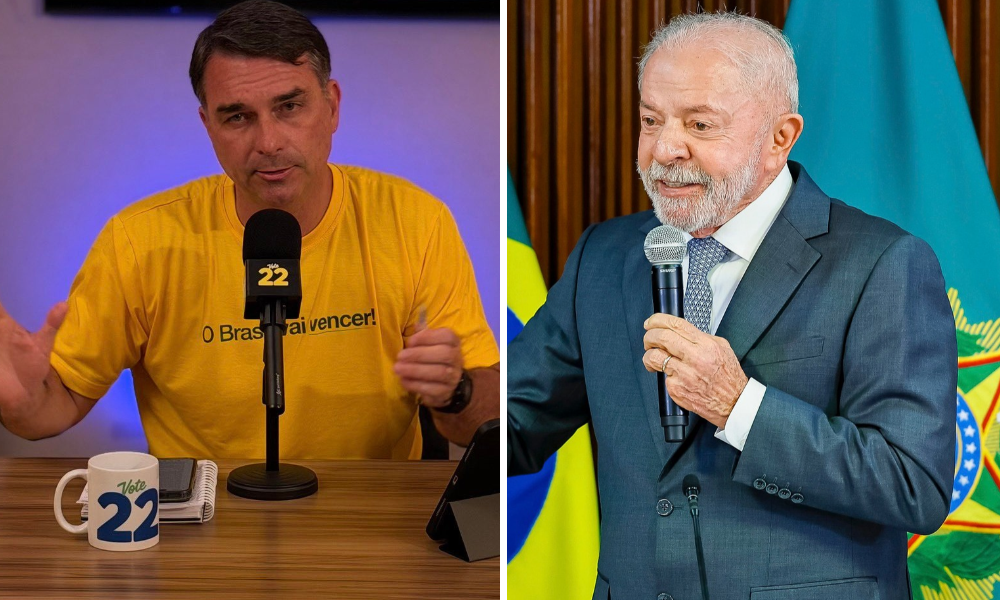
Empty chairs were as important as those filled ones. Lula from Brazil, Claudia Sheinbaum from Mexico, and Delcy Rodríguez from Venezuela did not attend, which left Sánchez as the only representative of progressive governments. The Palace of Moncloa, the prime minister’s official residence, explained that it was all about agenda and internal issues, and not a rejection.
Why the rulebook matters to Sánchez
Paragraph 4 could almost have been drafted in Moncloa. The prime minister has built much of his foreign policy on the idea that international law should apply to the powerful as well, and the bill has already arrived.
At the NATO summit in The Hague in 2025, Spain was the only member that refused to commit to spending 5% of GDP on defence. Madrid says it reached 2% in 2026, about €35.4 billion against 0.9% in 2018, but will not raise it automatically to 5% by 2035.
In March, U.S. President Donald Trump threatened to cut off all trade with Spain after it refused to let U.S. aircrafts use its bases for strikes on Iran.
When American and Israeli strikes began on February 28, Madrid condemned them as violations of international law, and Sánchez said Spain’s position was the same as on Ukraine or Gaza: no to resolving conflicts with bombs. On March 11, Spain withdrew its ambassador from Israel.
Gaza is where Madrid has gone furthest. Spain recognised the Palestinian state in May 2024, and in September 2025 Sánchez announced nine measures, including a legal arms embargo on Israel and €150 million in humanitarian aid for 2026. Israel barred two Spanish ministers in response. Critics at the time noted that Spain kept existing contracts with Israel when the embargo was announced.
Ukraine follows the same logic. President Volodymyr Zelenskyy met Sánchez at Moncloa during the summit, his fifth visit to Spain since Russia’s full-scale invasion, asking for air defence and joint arms production. In March, Sánchez announced €1 billion in bilateral military support for 2026.
At the UN General Assembly, the Spanish prime minister also spoke of a planned and coordinated attempt to demolish multilateralism.
The declaration outlives the host
It depends on whom you ask. The government points to the Madrid Declaration, adopted by all 22 members, and to the four agreements signed alongside it. Critics point to the empty chairs. Without Lula and Sheinbaum the summit lost part of its value as a showcase for progressive allies.
Independent Spanish outlet Vozpópuli reported that Sánchez had wanted to turn Madrid into a new international showcase for progressive politics, and to show he could still bring together the main allies of the Latin American left.
The voters will ultimately have the last word on November 29. The royal decree dissolving parliament sets the campaign from November 13 to 27, with the new Cortes convening on December 23, though the polls do not agree. The state-run CIS puts Sánchez’s PSOE first, while 40db had the conservative PP ahead in October.
Most private pollsters agree with 40db. According to Reuters, the PP would beat the Socialists but would need the right-wing Vox to secure parliamentary majority, with polls giving the two parties around 190 to 200 of the 350 Congress seats.
King Felipe VI, closing the plenary, said the community cannot change global trends but can show that “multilateral diplomacy still makes sense”. He then handed the pro tempore secretariat to Honduran President Nasry Asfura.
Honduras has never hosted a summit since the community was founded in 1991, and Portugal will follow it in 2030. “We don’t want our commitments to remain only in a declaration,” Asfura told the summit.
By the time Tegucigalpa hosts in 2028, the government that wrote paragraph four may no longer be the one responsible for upholding it.
This article originally appeared in EU Reports and was republished with permission.
Featured image: El presidente del Gobierno, Pedro Sánchez, recibe a su llegada al encuentro al Secretario General de las Naciones Unidas, António Guterres
Source: La Moncloa
Author: Pool Moncloa/ Borja Puig de la Bellacasa