
A United Nations commission is urging Latin American governments to take action in the face of an extreme and costly El Niño event.
The United Nations Economic Commission for Latin America and the Caribbean warned in a new report released on Monday that the intensifying El Niño Southern Oscillation (ENSO) weather pattern could reduce the gross domestic product of the region by more than 2% over the next three years.
The commission is calling on governments to implement measures to mitigate the impacts of increasingly severe weather events immediately and over the long-term, such as sharing energy resources across borders and investing in climate-resilient infrastructure.
“The responses adopted once the emergency is declared are considerably more expensive than the preventive measures based on adequate anticipation. It is imperative to move from a post-response to losses to an anticipatory management of climate risk,” said José Manuel Salazar-Xirinachs, executive secretary of ECLAC.
El Niño is strengthening and has a 90% chance of being a “very strong event” in the northern hemisphere over the upcoming winter, thanks in large part to warmer-than-average ocean temperatures, according to the United States National Oceanic and Atmospheric Administration.
The weather caused by ENSO varies across the region; in coastal areas of Peru and Ecuador, typically drier areas will see heavy rains and flooding. But large parts of Colombia, Brazil and the Caribbean can expect to see higher-than-normal temperatures with reduced rainfall.
The economic impact of an El Niño weather pattern, which is expected to be the strongest in decades, will be felt across various sectors, according to the commission’s report. Warmer ocean temperatures could result in a scarcity of species like anchovy, sardines and hake, hurting the fishing industry. Meanwhile, the impact on the agricultural sector and challenges that drought poses to hydroelectric production could lead to increased prices and inflation.
Overall, the report estimates that an extreme ENSO will result in 4.5 million more people living in poverty by the end of the decade across Latin America and the Caribbean.
Various experts have warned that El Niño weather patterns, while normal, will only intensify due to human-caused climate change. The commission is calling on governments to incorporate climate change into its national policies and take steps to reduce their risks in the future, such as by diversifying their energy supply.
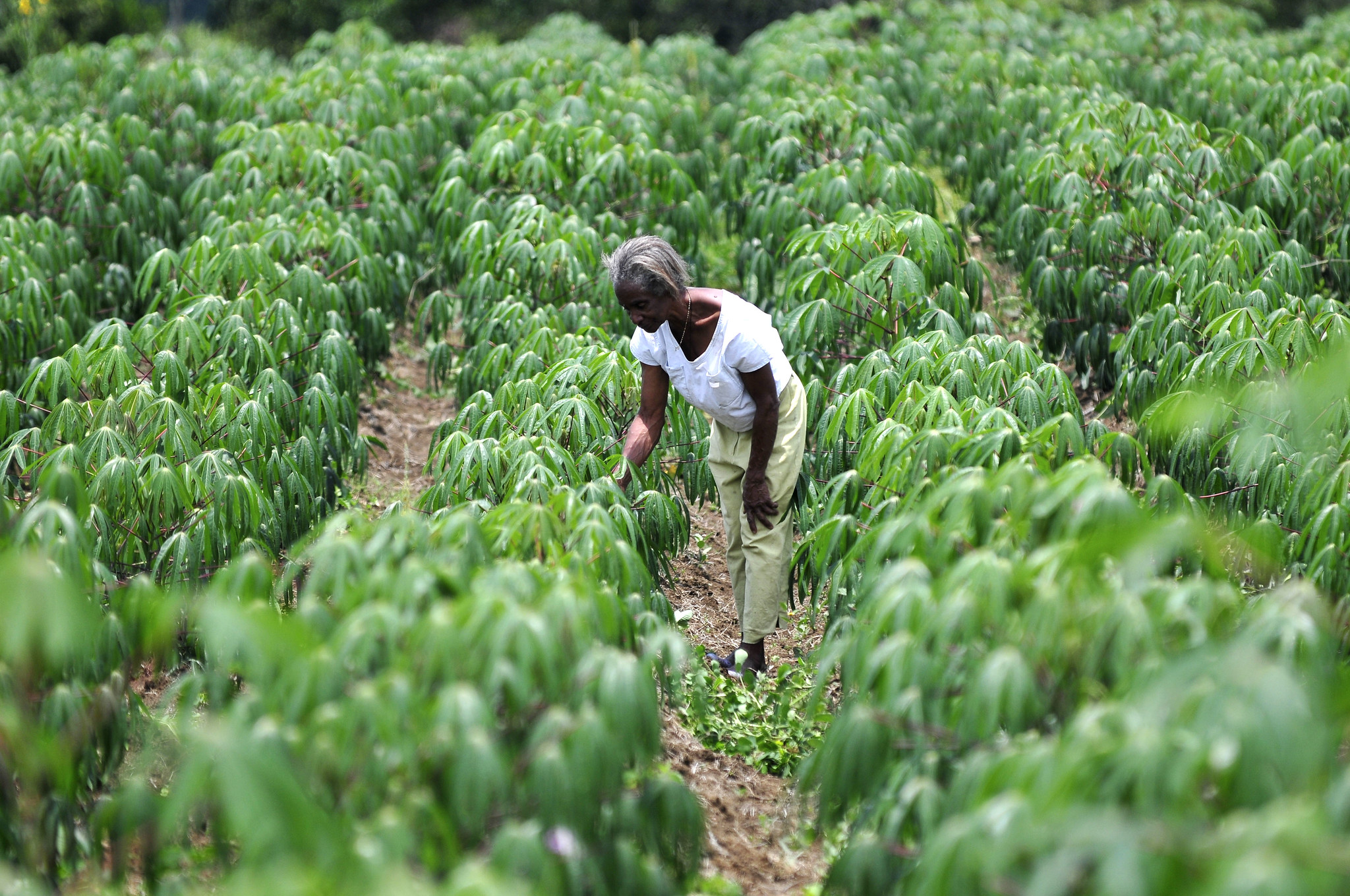
Featured image description: Cassava production in Colombia’s southwestern Cauca department.
Featured image credit: ©2010CIAT/NeilPalmer via Flickr