

The Nuestra América Convoy to Cuba (NACC), a humanitarian aid mission to the island made up of an alliance of progressive groups, has reportedly significantly expanded and announced that it intends to reach Havana by March 21.
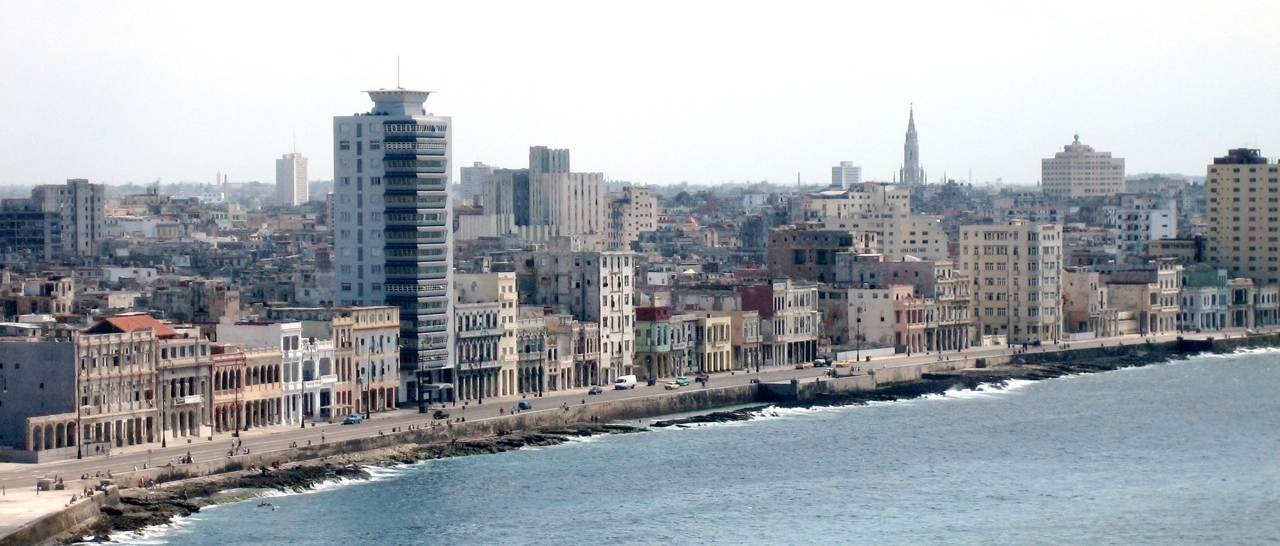
According to the NACC’s most recent press release shared with Latin America Reports, “An international coalition of movements, trade unionists, parliamentarians, humanitarian organizations, and public figures … [will participate in] a coordinated global mobilization delivering humanitarian aid by air, land and sea converging in Havana’s Malecón on 21 March 2026”.
The convoy had initially been a seabound mission but has reportedly “grown into a coordinated Convoy by air, land, and sea” because of an inundation “of requests to support this critical mission”. The appeal to join the flotilla is a universal one, as the NACC is calling “on communities everywhere to collect aid and converge in Havana on 21 March”.
American sanctions have severely restricted the oil supplies to the island. As a result, airlines have suspended Cuba-bound flights because of fuel shortages and the annual cigar festival, a key source of tourism and foreign currency, was indefinitely postponed due to the sanctions-induced energy crisis.
The convoy’s principal aim is, however, the alleviation of the humanitarian crisis caused by the intensification of American sanctions against the island. In the words of the NACC, “hospitals are without power, ambulances without petrol and the sick without medicine”.
The United Nations has warned of a potential humanitarian collapse in Cuba.
Read more: Cuba-bound humanitarian aid flotilla organized as economic sanctions tighten
James Schneider, former public relations advisor to British Member of Parliament Jeremy Corbyn and the current communications director for Progressive International — an international, left-wing, activist organization which is helping coordinate the flotilla — told Latin America Reports that the mission is “vital”.
“UN experts are warning that intensive care units and emergency rooms are compromised. Trump openly boasts about creating a humanitarian crisis”, he said.
“Huge numbers of people around the world clearly feel the injustice of the world’s most solidaristic nation being punished in this way by the US. That’s why we’ve been overwhelmed with support since we announced this mission last week.”
“So we’ve decided to expand from a single flotilla to a global convoy, bringing aid by air, land and sea. We are excited to be joined in Havana on 21 March by people and aid from all over the world.”
The organization’s latest press release features endorsements of the mission by Corbyn, Swedish climate activist Greta Thunberg, co-chairs of the Democratic Socialists of America Megan Romer and Ashik Siddique, and Ada Colau, the former mayor of Barcelona.
Cuba has indeed gained international prominence for its missions of solidarity; Cuban armed forces helped combat the South African apartheid regime, over 24,000 Cuban doctors work in 56 countries worldwide and the nation developed its own Covid-19 vaccine, which was then exported.
However, the nation has also come under significant criticism over its human rights record; its medical missions have been accused of facilitating labor exploitation and human rights organizations like Amnesty International and Human Rights Watch have decried the nation over its alleged restriction of freedoms, state control over the media and the “arbitrary detention” of dissidents.
Featured Image: The Havana Malecón, where the humanitarian aid convoy plans to meet on March 21st
Image Credit: Lukas Mathis via Wikimedia Commons
License: Creative Commons Licenses