
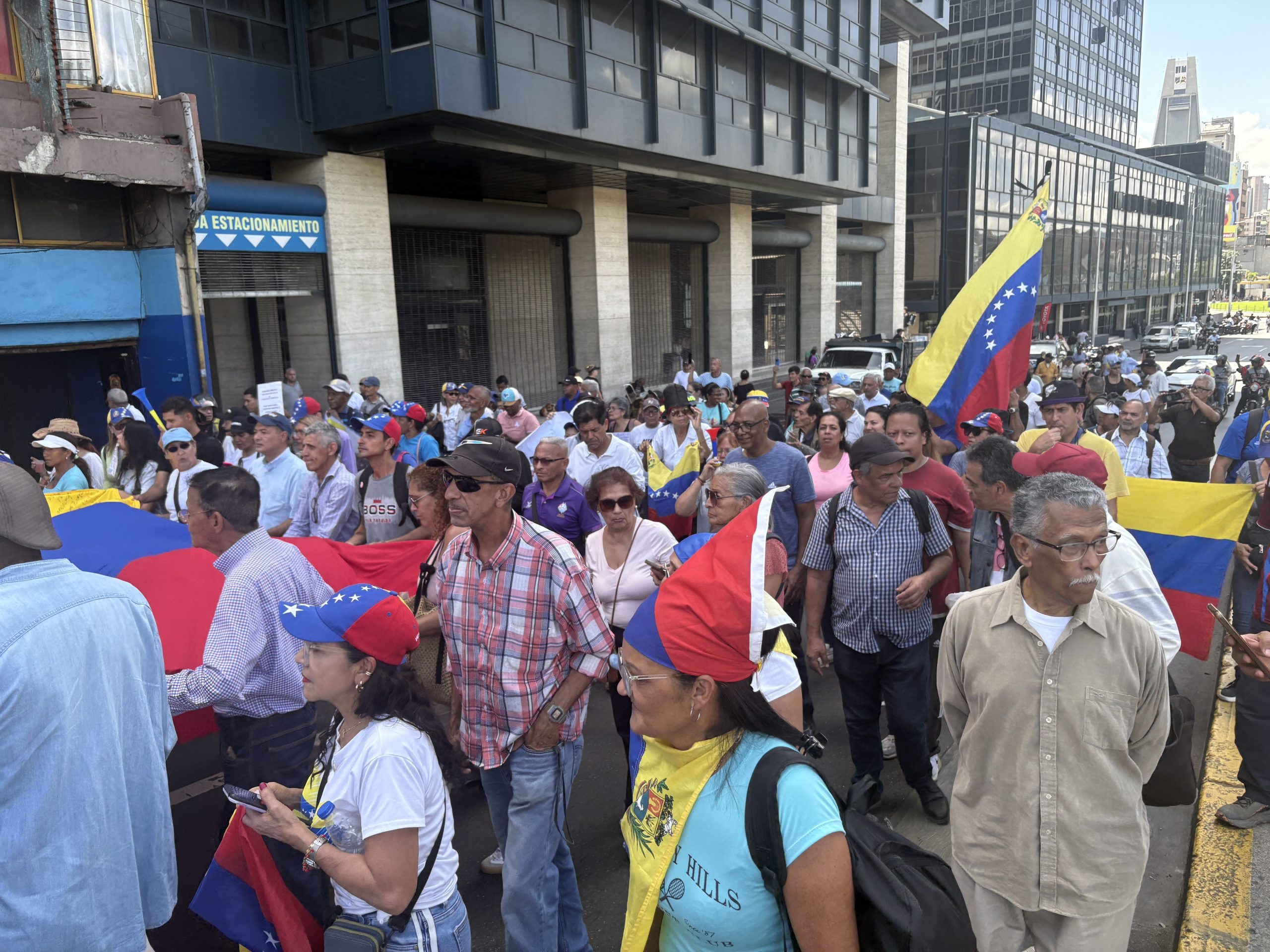
Caracas, Venezuela – Protests and events were held across Venezuela on Tuesday to mark two years since the 2024 presidential election, which was decried as fraudulent by the opposition and much of the international community.
Political parties, trade unions and movements organized gatherings across the country, including “assemblies” convened in several states by Vente Venezuela, opposition leader María Corina Machado’s party.
Participants demanded a clear electoral timetable, the release of political prisoners, and respect for the results of the 2024 presidential election.
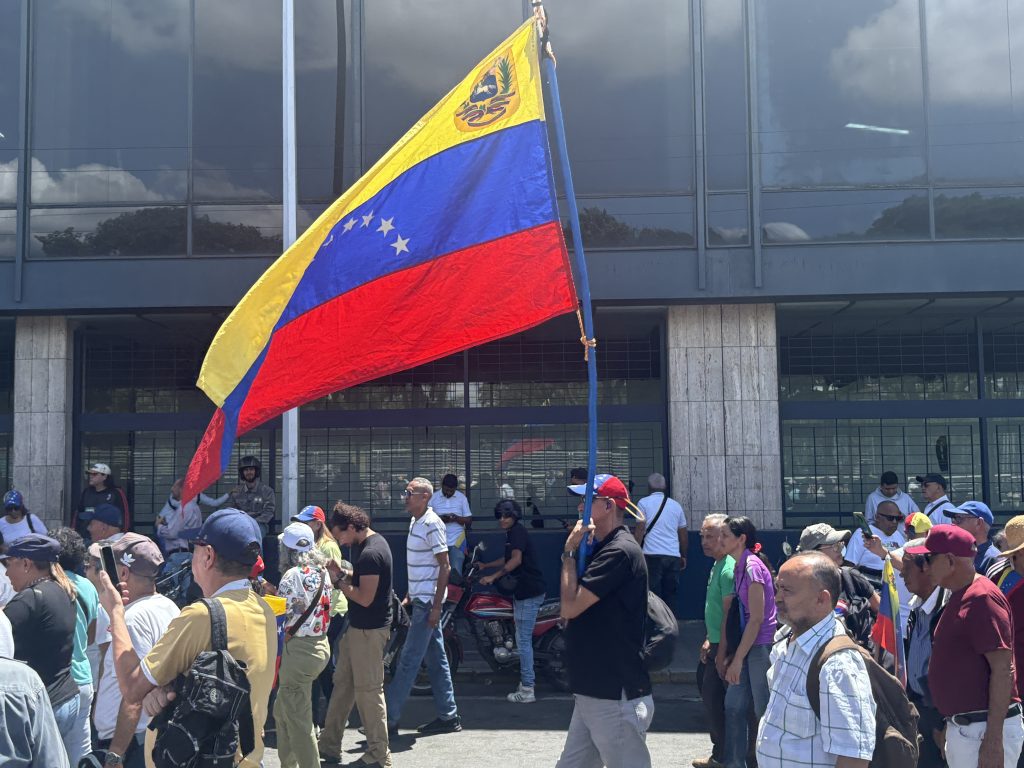
Mariana Díaz attended a Vente event with her 80-year-old mother on the Venezuelan island of Margarita. Although she is not a member of the party, she said she felt it was important to attend.
“Today, 28 July 2026, marks two years since the most important event in which the victory of the Venezuelan opposition in the elections was clearly demonstrated and proven beyond any doubt,” Diaz told Latin America Reports. “It led to one of the most severe periods of violence, arbitrariness and persecution against those of us who have fought to restore democracy.”
She said it was vital the country – and the international community – did not forget that.
The National Electoral Council (CNE), a government-aligned body, announced that Nicolás Maduro had won the 2024 election with 51.2% of the vote while the opposition candidate, Edmundo González Urrutia, received 44.2%.
However, the CNE never published the full voting records needed to independently verify the result and has long been criticized for its lack of independence.
Meanwhile, the opposition coalition had collected “actas” – voting tally receipts from electronic voting machines – which it said showed González Urrutia had won by a landslide with 67%.
The dispute led to protests and then a wave of repression.
More than 2,000 people were detained following the election, and today there are still 368 political prisoners, according to Foro Penal, a human rights NGO.
Pedro Fernández is a doctor and member of Vente Venezuela who attended a gathering in the state of Merida. He called 28 July 2024 “an electoral and liberation milestone.”
Despite being detained for his political activities afterwards, he was released following the Amnesty Law passed in February 2026, a month after US intervention and the capture of Maduro.
“Without 28 July 2024, everything that came afterwards would not have been possible,” he said. “The citizen movement demonstrated that it is ready, that Venezuela is prepared to define its own destiny, that we are willing to build our country, and that we are willing to work for it.”
He explained that now the goal was to secure an electoral timetable leading to “truly free and truly universal elections.”
María Corina Machado, who was barred from running in the 2024 election but who is largely seen as the main representative of the opposition movement, marked the two year anniversary in a statement on social media.
“On July 28th: Venezuelans changed history forever. We did it together, organized, and with our own hands,” said Machado, who won the Nobel Peace Prize in 2025.
Edmundo González Urrutia, who stood in her place as presidential candidate and now lives in exile in Spain, also reaffirmed his commitment to political change in Venezuela on Tuesday.
“Two years ago, millions of citizens went to the polls to change the course of Venezuela… My commitment is to continue dedicating all my efforts to ensuring that the will for change expressed on July 28 finds its full realization in a democratic, free and reconciled Venezuela,” he stated in a video shared on X.
The “actas” collected on 28 July 2024 have been reviewed by international observers and analysts, but the government and its supporters have dismissed them, and most believe there is little need for negotiations, let alone new elections.
“The opposition has to wait until the period ends, until this term finishes,” said Hugo García, a member of the ruling United Socialist Party of Venezuela (PSUV) in Caracas.
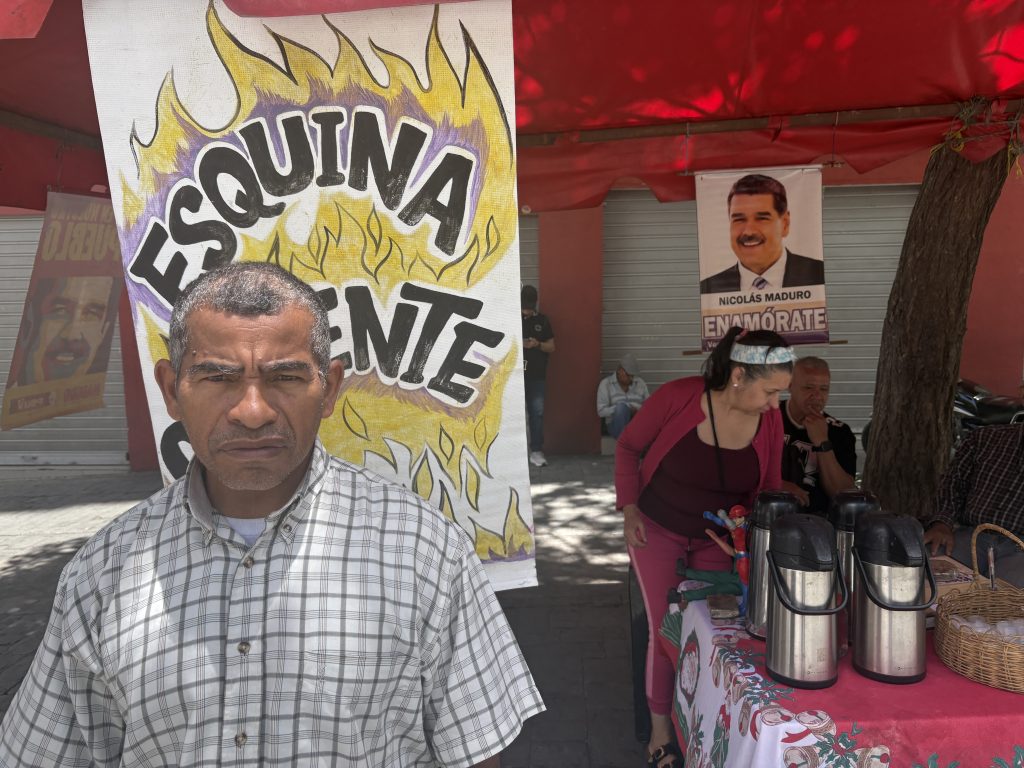
“Right now our president, Nicolas Maduro, is facing a judicial process invented by the Americans, by the United States. There was no real cause to accuse him or condemn him. So most likely they will release him.”
Maduro is in a New York jail and due to stand trial in June 2027 for narco-terrorism conspiracy and cocaine importation conspiracy following his capture by U.S. forces in Caracas on January 3, 2026.
García said that once Maduro’s term has ended, he would support new elections, but he also strongly criticized U.S. involvement in Venezuela. “The United States mainly wants to satisfy its hunger for oil. More than anything, they are invaders,” he told Latin America Reports.
The ruling Chavista party also held events on 28 July to commemorate the birth anniversary of the late Hugo Chávez.
Talks between the government and opposition are due to begin on August 1. The chavista administration says they are aimed at “strengthening democracy,” while other factions see them as transition talks to eventual elections. Maria Corina Machado said she is not participating.
While many opposition supporters are in favour of the process, others remain skeptical.
“How can you negotiate while there are so many political prisoners? Many of them were imprisoned for defending the July 28, 2024 tally sheets,” Carlos Salazar, representative of the National Trade Union Coalition, said at a protest outside the CNE in Caracas.
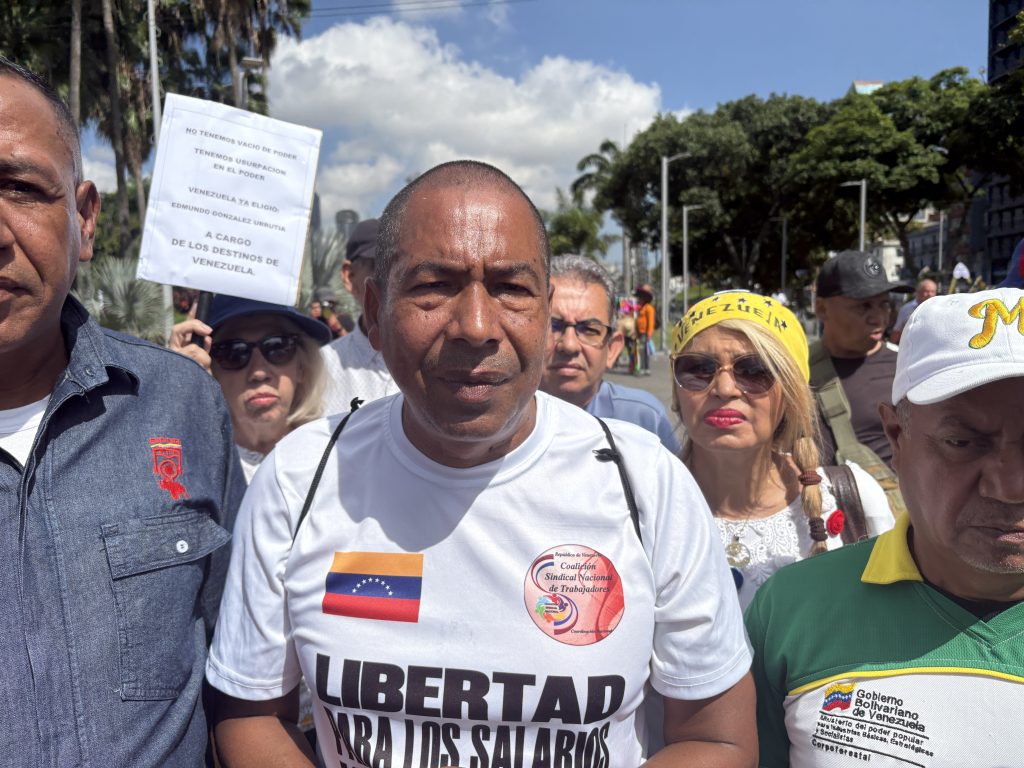
Protesters, activists, politicians and journalists were detained, as were volunteers who helped collect “actas” in 2024.
Many opposition supporters also say their distrust of negotiations is linked to the continued presence of key figures from Maduro’s government, including: Delcy Rodríguez, now interim prime minister; her brother Jorge Rodríguez, who will be involved in talks with the 2015 opposition Assembly beginning on August 1; and Diosdado Cabello, who has a US$25m bounty on his head.
“We don’t believe in these negotiations, and we’re going to monitor them,” Salazar said, adding that many union members would protest on August 1.
“We’ll remain in the streets until an electoral timetable is published. That’s the only way that we’ll finally be happy,” he said. “We need a presidential election this year and for the United States to allow Venezuelans to hold our future in our own hands.”
Featured image description: Protesters marched in Caracas on July 28, 2026.
Featured image credit: Catherine Ellis.